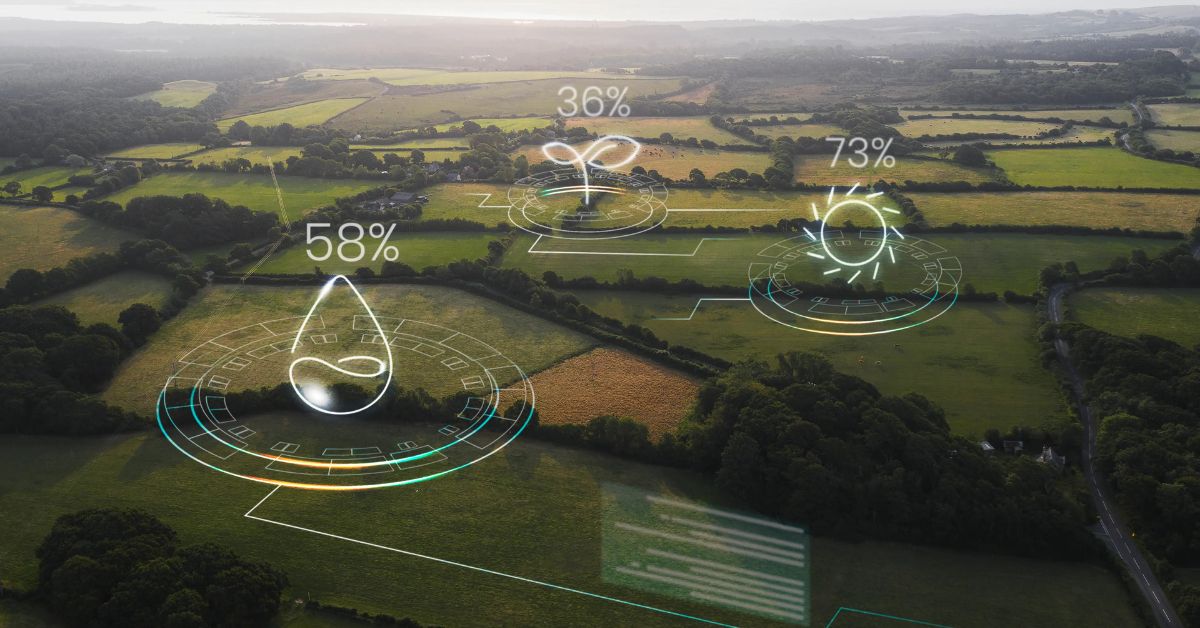
When we think of technological hubs, our minds often conjure images of sprawling urban centers. But a quiet revolution is brewing far from the city limits, driven by rural IoT innovation. The integration of the Internet of Things (IoT) into the countryside is poised to solve some of the world’s most pressing challenges. This movement is transforming rural landscapes into unexpected hotbeds of technological advancement, making them the next big frontier for tech growth.
This article explores the compelling reasons why rural areas are the next big frontier for IoT innovation, detailing the unique opportunities, real-world applications, and profound impact this shift will have on our global economy and way of life.
The Perfect Storm: Fueling the Rise of Rural IoT Innovation
The potential for rural IoT innovation isn’t accidental. It’s emerging from a convergence of need, opportunity, and technological progress. Rural environments present a unique set of challenges that IoT is uniquely equipped to address.
1. Vast Scale and the IoT Efficiency Solution
Farms, forests, and natural resource sites are enormous. Monitoring them manually is time-consuming, costly, and often imprecise. IoT in rural areas introduces a network of sensors that can monitor soil moisture, track livestock, or detect equipment failures across thousands of acres in real-time, turning guesswork into data-driven decision-making.
2. Solving Critical Challenges with Smart Technology
Rural communities face existential issues: water scarcity, unpredictable weather, and a declining labor force. Rural IoT innovation offers tangible solutions. Smart irrigation systems conserve water, connected weather stations provide hyper-local forecasts, and autonomous machinery compensates for labor shortages.
3. A Clean Slate for Deploying IoT Infrastructure
Unlike crowded cities with legacy infrastructure, many rural areas can leapfrog older technologies. They can deploy modern, low-power wireless networks like LoRaWAN or Sigfox specifically designed for IoT applications without the hassle of integrating with outdated systems. This “green field” advantage accelerates adoption.
Read more about How Energy Harvesting Tech Could Make Batteries Obsolete
Key Areas Driving Rural IoT Innovation
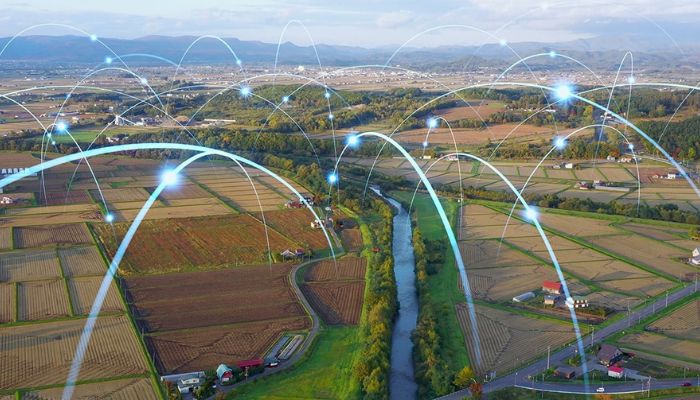
The applications of IoT in the countryside are diverse and transformative. They are moving beyond theory and into practice, delivering real value today and showcasing the practical power of rural IoT innovation.
IoT Applications for Crop and Soil Management
Perhaps the most prominent example of rural IoT innovation is in agriculture. Precision farming uses a network of connected devices to manage crops and livestock with unprecedented accuracy.
Building Smarter Rural Infrastructure
Rural IoT innovation is also critical for modernizing essential services and infrastructure.
Enhancing Utility Management
Managing utilities like water and electricity in remote areas is a logistical challenge. Smart sensors can detect leaks in water pipelines spanning miles, preventing massive water loss. Similarly, smart grids can manage electricity distribution more efficiently, reducing outages and integrating renewable sources like solar and wind.
Transforming Healthcare Access
Telemedicine and remote patient monitoring are powerful manifestations of IoT in rural areas. Patients with chronic conditions can use connected devices to transmit health data to clinicians in distant urban centers, reducing the need for long, difficult journeys and providing faster, more proactive care.
Safeguarding the Environment and Natural Resources
Environmental monitoring is another area where Rural IoT innovation shines. Networks of sensors can track air and water quality, monitor deforestation, and watch for wildfires in high-risk zones. This real-time data is crucial for conservation efforts and early disaster warning systems, protecting both the environment and the communities within it.
Overcoming the Hurdles: Challenges to Widespread Adoption
Despite its immense potential, the path of Rural IoT innovation is not without its obstacles. Acknowledging and addressing these challenges is key to unlocking its full potential.
- Connectivity: The lack of robust, high-speed internet in many rural regions remains the biggest barrier. While low-power wide-area networks (LPWANs) are a solution for many sensor applications, they are not suitable for high-bandwidth uses like video streaming from drones.
- Cost and ROI: The initial investment in sensors, connectivity, and data platforms can be high for individual farmers or small communities. Clearly demonstrating a rapid return on investment through cost savings or increased revenue is essential.
- Technical Skills Gap: Implementing and maintaining IoT systems requires technical expertise that may not be readily available in rural areas. This necessitates user-friendly solutions and local training programs.
The Future is Rural: The Outlook for IoT Innovation
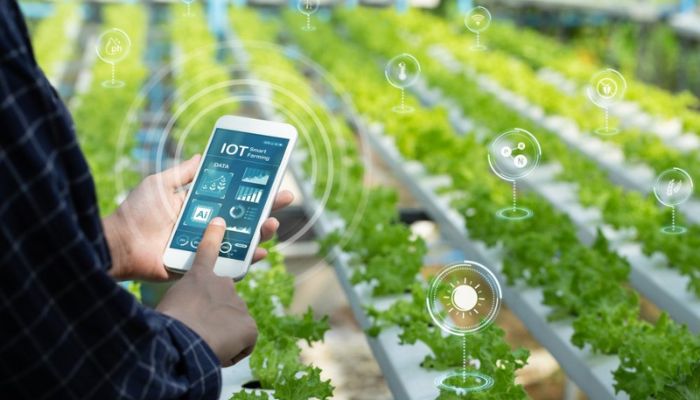
The momentum behind Rural IoT innovation is undeniable. As technology continues to advance, we can expect to see:
- The Rise of AI and IoT Convergence: IoT sensors will provide the data, and Artificial Intelligence (AI) will analyze it to provide predictive insights—forecasting crop diseases, predicting equipment failure, or optimizing supply chains.
- More Affordable and Durable Hardware: As the market grows, the cost of sensors and hardware will fall, while their durability and battery life will increase, making them even more suitable for harsh rural environments.
- Stronger Public-Private Partnerships: Governments and private companies are increasingly collaborating to fund the connectivity and projects needed to drive this innovation forward, recognizing its strategic importance.
Conclusion: Long-term Vision for Smart Rural Development
The narrative that innovation is exclusively an urban phenomenon is outdated. Rural IoT innovation is not a niche trend; it is a critical evolution that promises to create more efficient, sustainable, and resilient rural economies. By turning the unique challenges of the countryside into opportunities for smart technology, we are not just upgrading farms and infrastructure; we are building a more connected and equitable world.
The next big frontier for technology isn’t on a new silicon chip—it’s in the soil. And the future of Rural IoT innovation is already taking root.
Leave a Reply