Tag: Precision Farming

  • Smart Villages: How Technology Is Transforming Rural Life You Didn’t Know About

    Smart Villages: How Technology Is Transforming Rural Life You Didn’t Know About

    Imagine a village where farmers use smartphones to monitor soil moisture, students attend virtual classrooms with global teachers, and a local doctor consults with a specialist in a city hospital hundreds of miles away—all through a high-speed internet connection. This isn’t a scene from a sci-fi movie; it’s the reality of Smart Villages. While smart cities often dominate the headlines, a quiet revolution is brewing in the countryside, leveraging technology to bridge the urban-rural divide and create sustainable, prosperous communities.

    The concept of Smart Villages goes beyond just providing internet access. It represents a holistic approach to rural development, where digital technologies, from the Internet of Things (IoT) to renewable energy systems, are integrated to improve the quality of life, boost local economies, and empower residents. This article pulls back the curtain on this global movement, revealing the incredible technological transformations happening in rural areas that you likely didn’t know about.

    What Exactly Are Smart Villages?

    At its core, a Smart Village initiative is a rural community that uses innovative technologies to address its unique challenges and enhance its strengths. The goal isn’t to turn the countryside into a city but to use smart solutions to make rural life more resilient, connected, and attractive. This model focuses on key pillars like smart agriculture, digital education, e-healthcare, efficient energy, and robust digital connectivity, all tailored to the local context. It’s about creating a future where people don’t have to leave their ancestral homes for better opportunities.

     The Technological Pillars of a Smart Village
    Smart Villages

    The transformation of a rural area into a digitized village is built on several key technological pillars. These innovations work in tandem to create a cohesive and empowered community.

    1.Connectivity: The Digital Highway for Rural Communities

    The foundational layer of any Smart Village is reliable, high-speed broadband. This is the non-negotiable first step.

    • High-Speed Internet: Fiber-optic cables or high-capacity wireless links (like 5G fixed wireless) provide the backbone.
    • Community Wi-Fi Hubs: Public spaces like community centers or markets become free Wi-Fi zones, ensuring everyone has access.
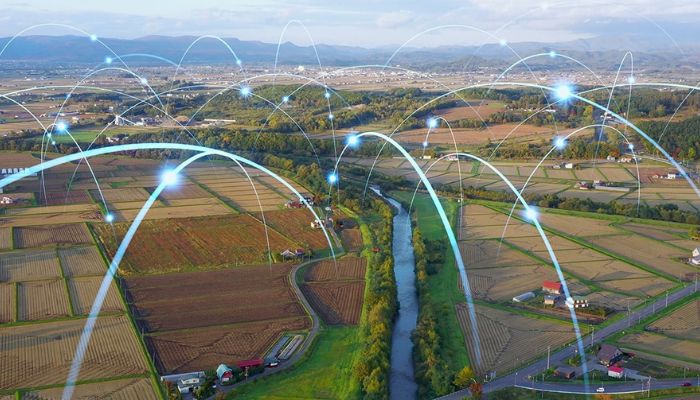
    • Low-Power Wide-Area Networks (LPWAN): These networks connect countless IoT sensors across vast agricultural fields with minimal power consumption, enabling the data-driven management that defines a smart community.
    2. Smart Agriculture and Precision Farming in Rural Areas

    Farming is the lifeblood of many rural economies, and technology is making it more precise and profitable.

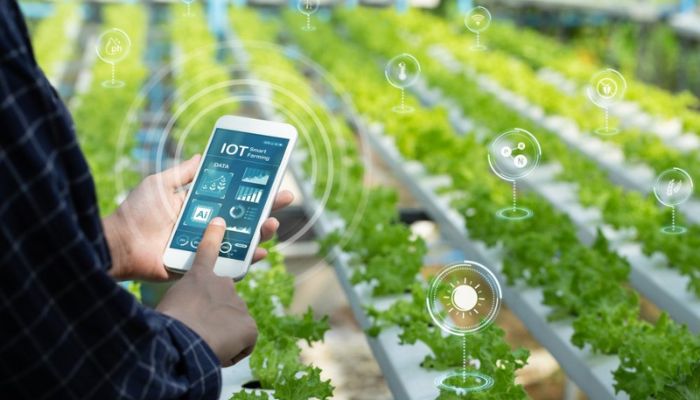
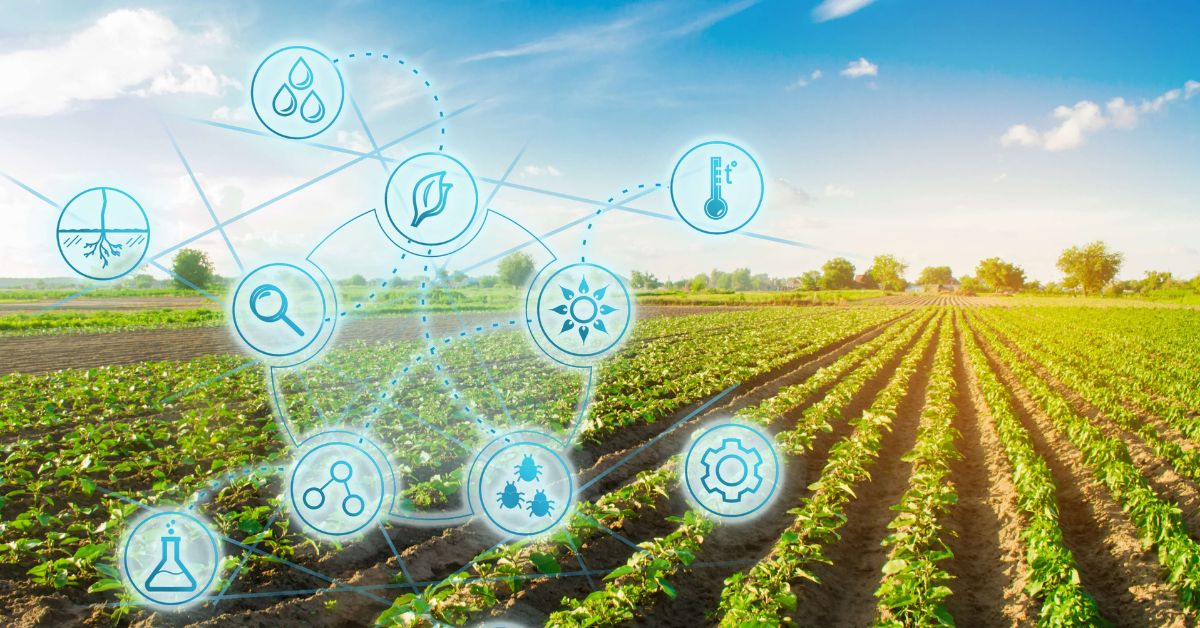
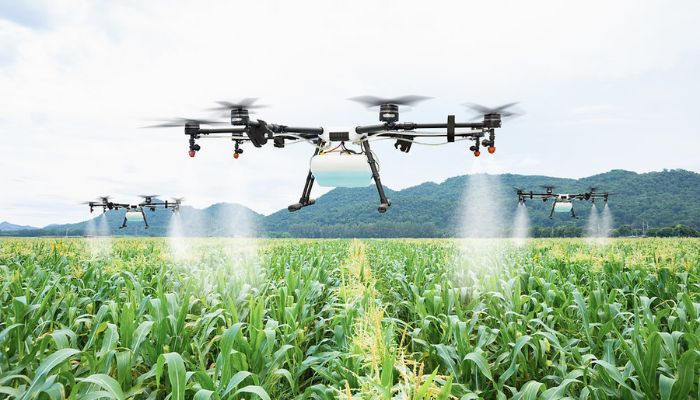
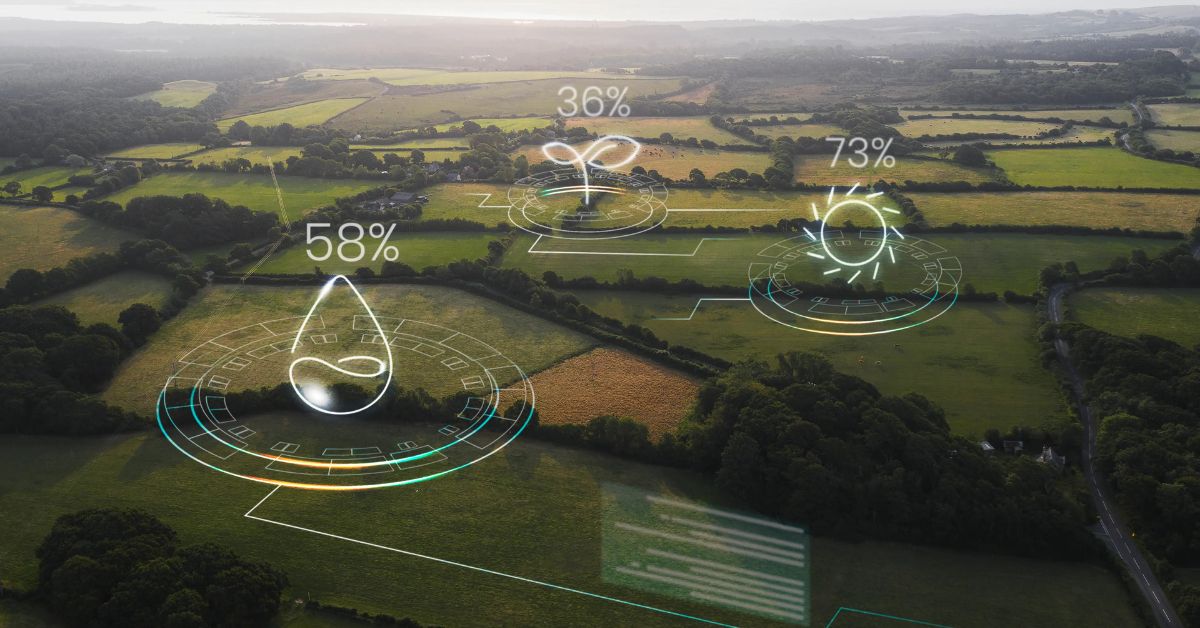
    • Precision Farming: Sensors in the field monitor soil health, moisture levels, and crop growth. Drones survey land from above, identifying pest infestations or areas needing fertilizer, allowing farmers to apply resources only where needed, saving money and protecting the environment.
    • AI-Powered Marketplaces: Platforms use artificial intelligence to connect farmers directly with buyers, cutting out intermediaries and ensuring they get a fair price for their produce. They can also access real-time data on market trends and pricing.
    • Automated Irrigation Systems: IoT-based systems automatically water crops based on real-time soil data and weather forecasts, dramatically conserving water—a critical resource.
    3.Revolutionizing Rural Healthcare with E-Health Solutions

    Access to quality healthcare is a major challenge in remote areas. Smart Villages are changing this through telemedicine and digital diagnostics.

    • Telemedicine Clinics: Village health centers equipped with video conferencing tools allow residents to consult with specialist doctors in urban hospitals without the cost and time of travel.
    • Portable Diagnostic Devices: Community health workers can use connected devices, like portable ECG machines or blood test kits, to conduct check-ups. The data is instantly sent to a central hospital for analysis.
    • Electronic Health Records (EHRs): Digital records ensure that a patient’s medical history is easily accessible to any authorized healthcare provider, improving the continuity and quality of care.
    4.Transforming Education in a Digital Village

    Smart Villages ensure that children and adults alike have access to world-class learning opportunities.

    • Digital Classrooms: Schools are equipped with computers, interactive whiteboards, and high-speed internet, allowing students to take virtual field trips, access global educational resources, and learn from specialized online instructors.
    • Skills Development Hubs: Community centers offer digital literacy training for adults, teaching skills like using online banking, e-government services, and even coding or digital marketing, opening up new avenues for remote work.

    The Tangible Benefits of Building Smart Villages
    Smart Villages

    The impact of this technological integration is profound and multifaceted, creating a ripple effect of positive change.

    • Economic Resilience: Farmers increase yields and profits, new digital service jobs are created, and local artisans can sell their products to a global market online.
    • Improved Quality of Life: Better healthcare outcomes, enhanced educational opportunities, and access to entertainment and government services all contribute to a higher standard of living.
    • Environmental Sustainability: Smart grids optimize energy use, precision agriculture reduces water and chemical use, and better waste management systems keep the environment clean.
    • Social Empowerment and Inclusion: Technology connects isolated elderly residents with their families, gives a voice to marginalized communities, and helps preserve local culture and knowledge in digital archives.

    Real-World Glimpses: Smart Villages in Action

    This isn’t just theoretical. From the alpine regions of Europe to the heart of India, the Smart Village model is being implemented with remarkable success. Communities are leveraging EU funding to become energy self-sufficient with solar microgrids, while in parts of Africa, mobile payment systems integrated with solar-powered kiosks are allowing off-grid villages to access electricity and financial services for the first time. These examples prove that with the right approach, technology can thrive anywhere.

    Read more about Terahertz Communication: Unlocking the Secret Spectrum for a Wireless Future

    The Path Forward: Challenges and Opportunities

    The journey to creating a Smart Village is not without hurdles. The initial cost of infrastructure, the need for digital skills training, and ensuring cybersecurity are significant challenges. However, the opportunities far outweigh the obstacles. The future involves more affordable technology, public-private partnerships, and community-driven models where villagers themselves lead the digital transformation.

    Conclusion: The Future is Rural and Smart
    Smart Villages

    The narrative of rural decline is being rewritten. Smart Villages are not a distant dream but a present-day reality, demonstrating that technology, when applied thoughtfully, can be a great equalizer. By bridging the digital divide, these communities are not just catching up with their urban counterparts; they are pioneering a new model of sustainable, fulfilling, and connected living. The transformation of rural life is underway, and it’s smarter than you ever knew.
  • Why Rural Areas Are the Next Big Frontier for IoT Innovation

    Why Rural Areas Are the Next Big Frontier for IoT Innovation

    When we think of technological hubs, our minds often conjure images of sprawling urban centers. But a quiet revolution is brewing far from the city limits, driven by rural IoT innovation. The integration of the Internet of Things (IoT) into the countryside is poised to solve some of the world’s most pressing challenges. This movement is transforming rural landscapes into unexpected hotbeds of technological advancement, making them the next big frontier for tech growth.

    This article explores the compelling reasons why rural areas are the next big frontier for IoT innovation, detailing the unique opportunities, real-world applications, and profound impact this shift will have on our global economy and way of life.

    The Perfect Storm: Fueling the Rise of Rural IoT Innovation

    The potential for rural IoT innovation isn’t accidental. It’s emerging from a convergence of need, opportunity, and technological progress. Rural environments present a unique set of challenges that IoT is uniquely equipped to address.

    1. Vast Scale and the IoT Efficiency Solution

    Farms, forests, and natural resource sites are enormous. Monitoring them manually is time-consuming, costly, and often imprecise. IoT in rural areas introduces a network of sensors that can monitor soil moisture, track livestock, or detect equipment failures across thousands of acres in real-time, turning guesswork into data-driven decision-making.

    2.  Solving Critical Challenges with Smart Technology

    Rural communities face existential issues: water scarcity, unpredictable weather, and a declining labor force. Rural IoT innovation offers tangible solutions. Smart irrigation systems conserve water, connected weather stations provide hyper-local forecasts, and autonomous machinery compensates for labor shortages.

    3. A Clean Slate for Deploying IoT Infrastructure

    Unlike crowded cities with legacy infrastructure, many rural areas can leapfrog older technologies. They can deploy modern, low-power wireless networks like LoRaWAN or Sigfox specifically designed for IoT applications without the hassle of integrating with outdated systems. This “green field” advantage accelerates adoption.

    Read more about How Energy Harvesting Tech Could Make Batteries Obsolete

    Key Areas Driving Rural IoT Innovation

    Rural IoT innovation

    The applications of IoT in the countryside are diverse and transformative. They are moving beyond theory and into practice, delivering real value today and showcasing the practical power of rural IoT innovation.

    IoT Applications for Crop and Soil Management

    Perhaps the most prominent example of rural IoT innovation is in agriculture. Precision farming uses a network of connected devices to manage crops and livestock with unprecedented accuracy.

    Building Smarter Rural Infrastructure

    Rural IoT innovation is also critical for modernizing essential services and infrastructure.

    Enhancing Utility Management

    Managing utilities like water and electricity in remote areas is a logistical challenge. Smart sensors can detect leaks in water pipelines spanning miles, preventing massive water loss. Similarly, smart grids can manage electricity distribution more efficiently, reducing outages and integrating renewable sources like solar and wind.

    Transforming Healthcare Access

    Telemedicine and remote patient monitoring are powerful manifestations of IoT in rural areas. Patients with chronic conditions can use connected devices to transmit health data to clinicians in distant urban centers, reducing the need for long, difficult journeys and providing faster, more proactive care.

    Safeguarding the Environment and Natural Resources

    Environmental monitoring is another area where Rural IoT innovation shines. Networks of sensors can track air and water quality, monitor deforestation, and watch for wildfires in high-risk zones. This real-time data is crucial for conservation efforts and early disaster warning systems, protecting both the environment and the communities within it.

    Overcoming the Hurdles: Challenges to Widespread Adoption

    Despite its immense potential, the path of Rural IoT innovation is not without its obstacles. Acknowledging and addressing these challenges is key to unlocking its full potential.

    • Connectivity: The lack of robust, high-speed internet in many rural regions remains the biggest barrier. While low-power wide-area networks (LPWANs) are a solution for many sensor applications, they are not suitable for high-bandwidth uses like video streaming from drones.
    • Cost and ROI: The initial investment in sensors, connectivity, and data platforms can be high for individual farmers or small communities. Clearly demonstrating a rapid return on investment through cost savings or increased revenue is essential.
    • Technical Skills Gap: Implementing and maintaining IoT systems requires technical expertise that may not be readily available in rural areas. This necessitates user-friendly solutions and local training programs.

    The Future is Rural: The Outlook for IoT Innovation

    Rural IoT innovation

    The momentum behind Rural IoT innovation is undeniable. As technology continues to advance, we can expect to see:

    • The Rise of AI and IoT Convergence: IoT sensors will provide the data, and Artificial Intelligence (AI) will analyze it to provide predictive insights—forecasting crop diseases, predicting equipment failure, or optimizing supply chains.
    • More Affordable and Durable Hardware: As the market grows, the cost of sensors and hardware will fall, while their durability and battery life will increase, making them even more suitable for harsh rural environments.
    • Stronger Public-Private Partnerships: Governments and private companies are increasingly collaborating to fund the connectivity and projects needed to drive this innovation forward, recognizing its strategic importance.

    Conclusion: Long-term Vision for Smart Rural Development

    The narrative that innovation is exclusively an urban phenomenon is outdated. Rural IoT innovation is not a niche trend; it is a critical evolution that promises to create more efficient, sustainable, and resilient rural economies. By turning the unique challenges of the countryside into opportunities for smart technology, we are not just upgrading farms and infrastructure; we are building a more connected and equitable world.

    The next big frontier for technology isn’t on a new silicon chip—it’s in the soil. And the future of Rural IoT innovation is already taking root.

  • Green Nanotechnology: Building a Sustainable Future, Atom by Atom

    Green Nanotechnology: Building a Sustainable Future, Atom by Atom

    Imagine solving our biggest environmental challenges by working with the tiniest building blocks in existence. This is the promise of Green Nanotechnology.

    It’s a field that manipulates materials at the nanoscale—about 100,000 times smaller than the width of a human hair—to create powerful, eco-friendly solutions. Unlike conventional methods that can be wasteful, Green Nanotechnology designs products and processes that are sustainable from the very beginning.

    This approach is revolutionizing how we protect our planet, proving that the smallest science can have the biggest impact.

    Read more about How Edge Computing Is Powering the Next Generation of Smart Devices

    What is Green Nanotechnology? A Simple Guide

    At its heart, Green Nanotechnology is a dual-focused approach. It involves both:

    1. Using nanotechnology to create products and processes that are environmentally friendly.
    2. Applying green chemistry and engineering principles to the production of nanomaterials themselves, ensuring their lifecycle is safe and sustainable.

    How Nanotechnology Integrates with Environmental Goals

    Think of Green Nanotechnology as a double win for the planet:

    1. It uses tiny nanomaterials to create products that solve environmental problems.
    2. It makes those nanomaterials using clean, safe, and low-energy methods.

    The core principles are simple and powerful:

    Plan for the Future: Design nanomaterials to safely break down after their job is done.

    Prevent Waste: Design processes so that all materials are used, with nothing left over.

    Use Safe Materials: Create nanomaterials using plant extracts or bacteria instead of harsh chemicals.

    Save Energy: Develop solutions that require less power to make and use.

    The Power of Working Small

    At the nanoscale, materials behave differently. A harmless substance can become a powerful cleaner or a super-efficient sensor. Green Nanotechnology harnesses these unique properties to tackle pollution and waste head-on, using far less material than older, bulkier technologies.

    H3: Real-World Uses of Green Nanotechnology

    Green Nanotechnology

    This isn’t just a theory. Green Nanotechnology is already at work in fields that touch our daily lives.

    • Solar Power: Nanomaterials like quantum dots and perovskites are creating next-generation solar cells that are more efficient, cheaper to produce, and can be printed on flexible surfaces, making solar energy accessible everywhere.
    • Energy Storage: Green Nanotechnology is revolutionizing batteries and supercapacitors. Nanostructured electrodes can dramatically increase the energy density and charging speed of lithium-ion batteries, while also enabling the use of more abundant and less toxic materials.
    • Hydrogen Economy: Nanocatalysts are making hydrogen production through water splitting more efficient and cost-effective, bringing us closer to a clean hydrogen fuel future.

    H3: Environmental Remediation and Pollution Control

    This is where Green Nanotechnology acts as a direct cleanup tool.

    • Water Purification: Nanomembranes with tiny pores can filter out bacteria, viruses, and heavy metals with incredible efficiency. Furthermore, photocatalytic nanoparticles (like nano-titanium dioxide) can be added to water, where they use sunlight to break down complex organic pollutants and pesticides into harmless substances.
    • Air Purification: Nanostructured filters and catalysts can be installed in industrial exhaust systems or even within buildings to capture and decompose volatile organic compounds (VOCs), nitrogen oxides, and other airborne pollutants.

    H3: Sustainable Agriculture and Medicine

    The benefits extend to human health and food security.

    • Precision Agriculture: Nano-sensors can monitor soil conditions in real-time, while nano-encapsulated fertilizers and pesticides release their payload only when needed, reducing runoff and environmental damage by up to 90%.
    • Green Nanomedicine: Drug delivery systems using biodegradable nanoparticles can target cancer cells directly, minimizing side effects. Nanosensors enable early disease detection, and nanoscale materials are used to create better antibacterial coatings and bone regeneration scaffolds.

    The Tangible Benefits: Why Go Green and Nano?

    The advantages of embracing Green Nanotechnology are profound and multi-faceted.

    • Radical Resource Efficiency: By controlling matter at the atomic level, we can achieve desired functions using a fraction of the material, conserving precious resources.
    • Significantly Reduced Carbon Footprint: From more efficient energy generation and storage to low-energy manufacturing processes, these technologies directly contribute to decarbonization.
    • Pollution Prevention and Cleanup: It provides powerful tools not just to treat pollution but to prevent it at the source through smarter design and precision application.
    • Economic Opportunity: This field is driving innovation, creating new markets for green products, and fostering a new generation of high-tech, sustainable jobs.

    Navigating the Challenges and Responsibilities

    Despite its immense promise, the path forward for Green Nanotechnology is not without obstacles. Responsible development is paramount.

    • Safety and Toxicity: The very properties that make nanomaterials useful could pose unknown risks to human health and ecosystems. Understanding the long-term environmental impact and biocompatibility of engineered nanoparticles is a critical area of ongoing research.
    • Regulatory Frameworks: Global regulations have struggled to keep pace with innovation. There is a pressing need for clear, science-based guidelines for the testing, labeling, and disposal of nanomaterials.
    • Scalability and Cost: While lab-scale results are often spectacular, scaling up green synthesis methods to industrial production in a cost-effective manner remains a significant hurdle.
    • Public Perception and Trust: Learning from the GMO debate, transparent communication and public engagement about the benefits, risks, and ethical considerations are essential for widespread acceptance.

    The Future Outlook: A World Transformed by Green Nanotechnology

    Green Nanotechnology

    The trajectory of Green Nanotechnology points toward a deeply integrated and intelligent sustainable future. We are moving towards:

    • Self-Healing Materials: Nanomaterials that can repair cracks in structures or scratches on surfaces, drastically extending product lifespans and reducing waste.
    • Molecular Manufacturing: The ultimate goal of building products atom-by-atom, which would virtually eliminate waste from manufacturing.
    • Integration with AI and IoT: Combining nanosensors with artificial intelligence will create smart environments that can self-regulate pollution, manage energy use, and monitor ecosystem health in real-time.

    The role of Green Nanotechnology in achieving the UN’s Sustainable Development Goals (SDGs) is increasingly recognized, from clean water and sanitation (Goal 6) to affordable and clean energy (Goal 7) and responsible consumption and production (Goal 12).

    Conclusion: A Small-Scale Solution for a Global Challenge

    Green Nanotechnology is more than just a scientific discipline; it is a philosophical shift towards a more harmonious relationship with our planet. It proves that the tools for building a sustainable future are not always colossal. By thinking small—incredibly small—we can devise solutions that are elegant, efficient, and embedded with ecological intelligence. As we continue to learn from nature and refine our ability to engineer at the atomic scale, we are not just inventing new products; we are laying the foundation for a cleaner, healthier, and more resilient world, one atom at a time.