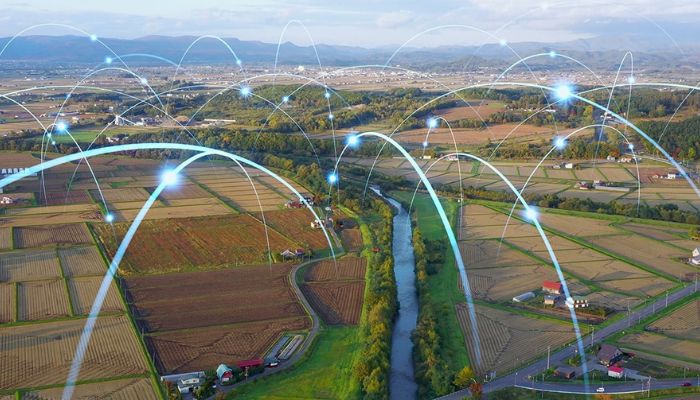
Imagine a village where farmers use smartphones to monitor soil moisture, students attend virtual classrooms with global teachers, and a local doctor consults with a specialist in a city hospital hundreds of miles away—all through a high-speed internet connection. This isn’t a scene from a sci-fi movie; it’s the reality of Smart Villages. While smart cities often dominate the headlines, a quiet revolution is brewing in the countryside, leveraging technology to bridge the urban-rural divide and create sustainable, prosperous communities.
The concept of Smart Villages goes beyond just providing internet access. It represents a holistic approach to rural development, where digital technologies, from the Internet of Things (IoT) to renewable energy systems, are integrated to improve the quality of life, boost local economies, and empower residents. This article pulls back the curtain on this global movement, revealing the incredible technological transformations happening in rural areas that you likely didn’t know about.
What Exactly Are Smart Villages?
At its core, a Smart Village initiative is a rural community that uses innovative technologies to address its unique challenges and enhance its strengths. The goal isn’t to turn the countryside into a city but to use smart solutions to make rural life more resilient, connected, and attractive. This model focuses on key pillars like smart agriculture, digital education, e-healthcare, efficient energy, and robust digital connectivity, all tailored to the local context. It’s about creating a future where people don’t have to leave their ancestral homes for better opportunities.
The Technological Pillars of a Smart Village
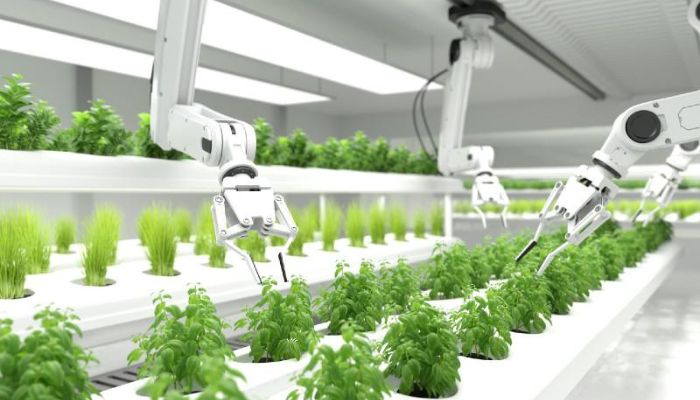
The transformation of a rural area into a digitized village is built on several key technological pillars. These innovations work in tandem to create a cohesive and empowered community.
1.Connectivity: The Digital Highway for Rural Communities
The foundational layer of any Smart Village is reliable, high-speed broadband. This is the non-negotiable first step.
- High-Speed Internet: Fiber-optic cables or high-capacity wireless links (like 5G fixed wireless) provide the backbone.
- Community Wi-Fi Hubs: Public spaces like community centers or markets become free Wi-Fi zones, ensuring everyone has access.
- Low-Power Wide-Area Networks (LPWAN): These networks connect countless IoT sensors across vast agricultural fields with minimal power consumption, enabling the data-driven management that defines a smart community.
2. Smart Agriculture and Precision Farming in Rural Areas
Farming is the lifeblood of many rural economies, and technology is making it more precise and profitable.
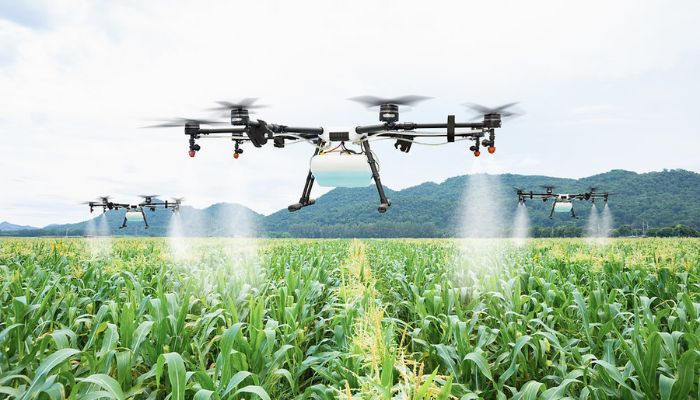
- Precision Farming: Sensors in the field monitor soil health, moisture levels, and crop growth. Drones survey land from above, identifying pest infestations or areas needing fertilizer, allowing farmers to apply resources only where needed, saving money and protecting the environment.
- AI-Powered Marketplaces: Platforms use artificial intelligence to connect farmers directly with buyers, cutting out intermediaries and ensuring they get a fair price for their produce. They can also access real-time data on market trends and pricing.
- Automated Irrigation Systems: IoT-based systems automatically water crops based on real-time soil data and weather forecasts, dramatically conserving water—a critical resource.
3.Revolutionizing Rural Healthcare with E-Health Solutions
Access to quality healthcare is a major challenge in remote areas. Smart Villages are changing this through telemedicine and digital diagnostics.
- Telemedicine Clinics: Village health centers equipped with video conferencing tools allow residents to consult with specialist doctors in urban hospitals without the cost and time of travel.
- Portable Diagnostic Devices: Community health workers can use connected devices, like portable ECG machines or blood test kits, to conduct check-ups. The data is instantly sent to a central hospital for analysis.
- Electronic Health Records (EHRs): Digital records ensure that a patient’s medical history is easily accessible to any authorized healthcare provider, improving the continuity and quality of care.
4.Transforming Education in a Digital Village
Smart Villages ensure that children and adults alike have access to world-class learning opportunities.
- Digital Classrooms: Schools are equipped with computers, interactive whiteboards, and high-speed internet, allowing students to take virtual field trips, access global educational resources, and learn from specialized online instructors.
- Skills Development Hubs: Community centers offer digital literacy training for adults, teaching skills like using online banking, e-government services, and even coding or digital marketing, opening up new avenues for remote work.
The Tangible Benefits of Building Smart Villages
The impact of this technological integration is profound and multifaceted, creating a ripple effect of positive change.
- Economic Resilience: Farmers increase yields and profits, new digital service jobs are created, and local artisans can sell their products to a global market online.
- Improved Quality of Life: Better healthcare outcomes, enhanced educational opportunities, and access to entertainment and government services all contribute to a higher standard of living.
- Environmental Sustainability: Smart grids optimize energy use, precision agriculture reduces water and chemical use, and better waste management systems keep the environment clean.
- Social Empowerment and Inclusion: Technology connects isolated elderly residents with their families, gives a voice to marginalized communities, and helps preserve local culture and knowledge in digital archives.
Real-World Glimpses: Smart Villages in Action
This isn’t just theoretical. From the alpine regions of Europe to the heart of India, the Smart Village model is being implemented with remarkable success. Communities are leveraging EU funding to become energy self-sufficient with solar microgrids, while in parts of Africa, mobile payment systems integrated with solar-powered kiosks are allowing off-grid villages to access electricity and financial services for the first time. These examples prove that with the right approach, technology can thrive anywhere.
Read more about Terahertz Communication: Unlocking the Secret Spectrum for a Wireless Future
The Path Forward: Challenges and Opportunities
The journey to creating a Smart Village is not without hurdles. The initial cost of infrastructure, the need for digital skills training, and ensuring cybersecurity are significant challenges. However, the opportunities far outweigh the obstacles. The future involves more affordable technology, public-private partnerships, and community-driven models where villagers themselves lead the digital transformation.
Conclusion: The Future is Rural and Smart
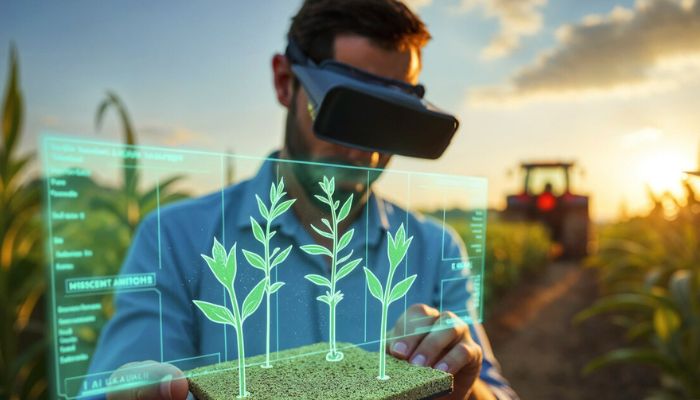
The narrative of rural decline is being rewritten. Smart Villages are not a distant dream but a present-day reality, demonstrating that technology, when applied thoughtfully, can be a great equalizer. By bridging the digital divide, these communities are not just catching up with their urban counterparts; they are pioneering a new model of sustainable, fulfilling, and connected living. The transformation of rural life is underway, and it’s smarter than you ever knew.