Tag: Machine Learning

  • The Impact of AI on Jobs and Creativity You Didn’t Know About

    The Impact of AI on Jobs and Creativity You Didn’t Know About

    When people discuss artificial intelligence, conversations often polarize into either utopian visions of effortless productivity or dystopian fears of mass unemployment. But the real story of AI’s influence on work and creativity is far more nuanced—and surprisingly different from what most headlines suggest. The true AI impact on jobs and creative fields involves subtle transformations that are already reshaping industries in ways many haven’t noticed.

    This article explores the less-discussed dimensions of how artificial intelligence is transforming work and creativity. Beyond the obvious automation of routine tasks, we’ll examine how AI is creating new roles, transforming existing ones, and unexpectedly enhancing human creativity in fields ranging from healthcare to Hollywood.

    Rethinking the Narrative: Beyond Job Replacement

    The common fear that AI will simply replace human workers represents an oversimplification of a much more complex transformation. The real AI impact on jobs involves restructuring rather than mere elimination. According to World Economic Forum predictions, while AI may displace 85 million jobs globally by 2025, it will simultaneously create 97 million new roles—a net positive that requires significant workforce adaptation.

    This restructuring represents the core of AI impact on jobs: not mass unemployment, but a fundamental reshaping of what work looks like across industries. The most significant changes aren’t happening where most people are looking, creating a transformation that’s both more subtle and more profound than simple automation.

    The Hidden Job Market Transformation

    The most interesting aspect of AI impact on jobs lies in the creation of roles that didn’t exist five years ago. Positions like “AI ethics officer,” “prompt engineer,” and “machine learning operations specialist” have emerged directly from AI implementation. These roles don’t represent simple replacements but entirely new categories of work that blend technical and human-centric skills.

    Meanwhile, traditional roles are evolving in unexpected ways. Rather than replacing financial analysts outright, AI has transformed them into “AI-assisted strategists” who interpret complex algorithmic outputs and provide contextual human judgment. This evolution represents the nuanced reality of AI impact on jobs—enhancement rather than replacement for many knowledge workers.

    The Subtle AI Impact on Creative Professions

    Perhaps the most misunderstood aspect of AI’s influence lies in creative fields. The narrative of “AI replacing artists” misses the more complex reality of how creative professionals are actually using these tools.

    The New Creative Collaboration

    The genuine AI impact on jobs in creative fields involves augmentation rather than replacement. Graphic designers aren’t being laid off en masse; instead, they’re using AI tools to accelerate brainstorming, generate initial concepts, and handle repetitive aspects of their workflow. This allows them to focus on higher-level creative direction and client collaboration.

    In writing and content creation, we’re seeing a similar pattern. Rather than replacing writers, AI serves as a collaborative tool that helps overcome creative blocks, research efficiently, and generate multiple stylistic variations. The human professional then curates, refines, and adds the emotional depth and cultural context that AI cannot replicate.

    H3: Unexpected Creative Renaissance Through AI Tools

    The most surprising AI impact on jobs in creative industries might be the democratization of creative expression. AI tools have enabled:

    • Small businesses to create professional-quality marketing materials without agency budgets
    • Individuals with creative ideas but limited technical skills to bring their visions to life
    • Established artists to experiment with new styles and techniques at unprecedented speed
    • Cross-disciplinary creators to work across mediums that previously required years of specialized training

    This expansion of who can create and what they can create represents a fundamental shift in the creative landscape—one that creates new opportunities even as it transforms existing roles.

    The Skills Shift: Preparing for the AI-Augmented Workplace

    AI Impact on Jobs

    Understanding the real AI impact on jobs requires recognizing how the demanded skill set is evolving. The most valuable employees in the AI era aren’t necessarily those with the deepest technical expertise, but those who can effectively bridge human and artificial intelligence.

    The Rise of “Human Skills” in a Technical World

    Paradoxically, as AI handles more technical tasks, distinctly human capabilities are becoming more valuable. Skills like critical thinking, emotional intelligence, creativity, and ethical judgment are increasingly differentiating human workers from AI systems. This represents a fascinating dimension of AI impact on jobs: the revaluation of precisely those capabilities that are most difficult to automate.

    Employers across industries report increased demand for:

    • Complex problem-solving in ambiguous situations
    • Interpersonal communication and collaboration
    • Adaptability and continuous learning
    • Ethical reasoning and decision-making

    These skills represent the human complement to AI capabilities—the pieces that complete the puzzle of effective human-AI collaboration.

    Industries Experiencing Unexpected AI Transformations

    While much attention focuses on manufacturing and customer service, the AI impact on jobs extends to fields where the changes are less visible but equally significant.

    Healthcare’s Quiet Revolution

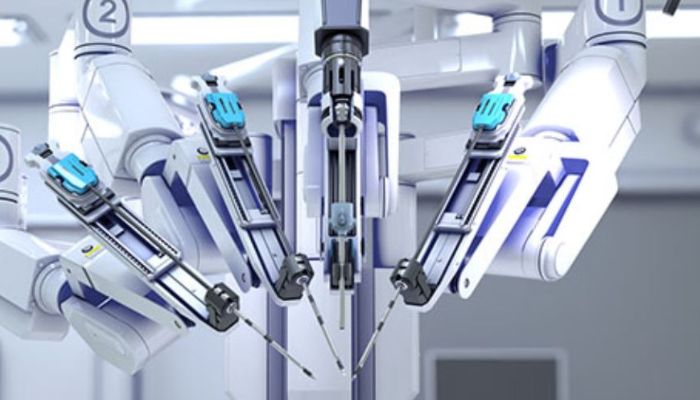
    Beyond robotic surgery, AI is transforming healthcare roles in subtler ways. Radiologists are evolving from image scanners to AI-supervised diagnosticians who verify and interpret algorithmic findings. Nurses use AI-powered documentation tools that free up time for patient care. The AI impact on jobs in healthcare means less administrative burden and more human interaction for medical professionals.

    Education’s Personalized Learning Facilitators

    The AI impact on jobs in education isn’t about replacing teachers but transforming them into learning facilitators. AI handles personalized content delivery and assessment, allowing educators to focus on mentorship, emotional support, and fostering critical thinking. This shift from “sage on the stage” to “guide on the side” represents a fundamental evolution of the teaching profession.

    Scientific Research Acceleration

    In research fields, AI isn’t replacing scientists but dramatically accelerating their work. Researchers who once spent months on literature reviews can now use AI to identify relevant studies and patterns across disciplines. The AI impact on jobs in science means faster discovery cycles and new opportunities for cross-disciplinary innovation.

    Navigating the Transition: Strategies for Individuals and Organizations

    Understanding the real AI impact on jobs is only half the battle—successfully navigating this transformation requires proactive strategies.

    For Individuals: Future-Proofing Your Career

    The workers who will thrive in the AI-augmented workplace are those who:

    • Develop T-shaped skills: deep expertise in one area complemented by broad knowledge across disciplines
    • Embrace continuous learning, particularly at the intersection of their field and AI applications
    • Cultivate uniquely human skills like creativity, empathy, and ethical judgment
    • Maintain flexibility and adaptability as roles continue to evolve

    For Organizations: Building AI-Ready Cultures

    Companies successfully managing the AI impact on jobs tend to:

    • Invest in reskilling programs that prepare employees for evolving roles
    • Foster cultures of experimentation and learning around AI tools
    • Develop ethical frameworks for AI implementation that consider workforce impact
    • Create hybrid teams that leverage both human and artificial intelligence

    The Bigger Picture: AI and the Future of Human Potential

    AI Impact on Jobs

    The most profound AI impact on jobs might not be on specific roles or industries, but on our fundamental relationship with work itself. As AI handles more routine tasks, both cognitive and manual, humans have the opportunity to focus on what we do best: creative problem-solving, emotional connection, and meaning-making.

    This transition won’t be seamless or evenly distributed. There will be legitimate disruptions and challenging transitions. But understanding the nuanced reality of AI impact on jobs allows us to approach these changes with clearer vision and greater agency.

    Read more about How to Fine-Tune Language Models for Your Business Needs

    Conclusion: Embracing the Human-AI Partnership

    The true story of AI’s influence on work and creativity is neither purely optimistic nor pessimistic—it’s complex and context-dependent. The AI impact on jobs involves transformation more than replacement, creating new opportunities even as it changes existing ones. In creative fields, AI serves as both tool and collaborator, expanding what’s possible rather than simply automating what exists.

    As we move forward, the most successful approach will be one that recognizes AI as a powerful tool for augmenting human capabilities rather than replacing them. By focusing on the unique strengths that humans bring to the table—creativity, empathy, ethics, and contextual understanding—we can navigate the changing landscape of work and creativity with confidence, turning technological disruption into human opportunity.

  • Training Data Bias and Its Real-World Consequences You Didn’t Know About

    Training Data Bias and Its Real-World Consequences You Didn’t Know About

    When we think of bias, we often think of human prejudice. But in our increasingly automated world, a new type of bias has emerged—one that’s embedded in the algorithms that shape our lives. Training data bias represents one of the most significant challenges in artificial intelligence today, with consequences that ripple through healthcare, employment, justice, and beyond.

    This hidden problem occurs when the data used to train machine learning models contains imbalances, inaccuracies, or skewed representations that lead AI systems to make unfair or discriminatory decisions. What makes training data bias particularly dangerous is its invisibility—these biases become encoded in systems that appear objective on the surface.

    What Exactly is Training Data Bias?

    Training data bias refers to systematic errors in the collection, selection, or preparation of data that cause machine learning models to perform poorly for certain groups while advantaging others. Unlike human bias, which can be conscious or unconscious, training data bias is fundamentally a technical problem with profound ethical implications.

    Think of it this way: if you only showed a child pictures of cats and then asked them to identify animals, they would mistakenly label every four-legged creature as a cat. Similarly, AI systems trained on biased data develop a distorted view of reality that reflects the limitations of their training rather than the complexity of the real world.

    The Anatomy of Training Data Bias

    Training data bias manifests in several distinct forms:

    • Representation Bias: When certain groups are underrepresented in training data
    • Measurement Bias: When the way data is collected systematically distorts reality
    • Label Bias: When human prejudices are baked into the categorization of training examples
    • Aggregation Bias: When diverse groups are treated as homogeneous

    The Hidden Consequences: Real-World Impact of Training Data Bias

    Training Data Bias

    The effects of training data bias extend far beyond technical metrics—they impact real people in ways that often go unnoticed until significant harm has occurred.

    Healthcare Disparities You Never Suspected

    In medical AI, training data bias can literally be a matter of life and death. Many diagnostic algorithms are trained predominantly on data from white, male patients, leading to dangerous gaps in care for other demographics.

    Consider these real examples:

    • Skin cancer detection systems perform significantly worse on darker skin tones because training datasets contained primarily light-skinned individuals
    • Heart disease predictors trained mostly on male patients miss critical symptoms that present differently in women
    • Pulse oximeters overestimate blood oxygen levels in people with darker skin, a dangerous measurement bias that went unnoticed for years

    These aren’t merely academic concerns—they represent systematic healthcare disadvantages baked into medical technology through training data bias.

    Employment and Economic Inequality

    Training data bias in hiring algorithms creates modern-day barriers to opportunity that are harder to detect and challenge than human discrimination.

    Major technology companies have discovered their resume-screening tools:

    • Penalized applications from women because training data reflected male-dominated industry patterns
    • Disadvantaged graduates from historically black colleges because successful employee patterns favored Ivy League backgrounds
    • Rejected qualified candidates with non-traditional career paths because the models learned to prefer linear professional trajectories

    The insidious nature of this training data bias means qualified candidates never know why their applications were rejected, while companies remain unaware of the talented individuals their systems automatically exclude.

    Justice System Algorithms Perpetuating Inequality

    Perhaps the most concerning area where training data bias appears is within criminal justice systems. Risk assessment tools used to inform bail, sentencing, and parole decisions have repeatedly shown racial disparities traceable to biased training data.

    These systems often:

    • Overestimate recidivism risk for Black defendants while underestimating risk for white defendants
    • Incorporate proxy variables that indirectly encode racial demographics
    • Perpetuate historical policing biases by training on arrest data from disproportionately policed communities

    The result is a feedback loop where historical discrimination becomes embedded in “objective” algorithms that then perpetuate and amplify those same inequalities.

    Why Training Data Bias Occurs: Root Causes

    Training Data Bias

    Understanding why training data bias happens is the first step toward preventing it. The causes are often structural rather than malicious.

    The Convenience Sampling Problem

    Many AI systems are trained on “convenience data”—datasets that are readily available rather than carefully constructed. This approach to training data bias means models learn from whatever data is easiest to collect, which often overrepresents digitally active, affluent, and Western populations.

    Historical Data Capturing Historical Injustice

    When algorithms are trained on historical data, they inevitably learn historical patterns of discrimination. This form of training data bias is particularly challenging because the data accurately reflects past realities while encoding prejudices we now recognize as unfair.

    The Homogeneity Problem in Tech

    The lack of diversity in AI development teams contributes significantly to training data bias. When teams lack varied perspectives, they’re less likely to recognize gaps in data collection or consider how systems might perform differently across demographic groups.

    Solutions: Mitigating Training Data Bias

    Addressing training data bias requires a multi-faceted approach that combines technical solutions with ethical frameworks and diverse perspectives.

    Read more about The Role of Reinforcement Learning in Robotics: Teaching Machines Through Experience

    Technical Approaches to Reducing Bias

    Several promising technical strategies can help mitigate training data bias:

    • Data Augmentation: Intentionally oversampling underrepresented groups to create more balanced training sets
    • Adversarial Debiasing: Using competing algorithms to identify and remove sensitive demographic information from features
    • Fairness Constraints: Building mathematical fairness requirements directly into the model training process
    • Bias Auditing: Implementing systematic testing across demographic groups before deployment

    Organizational and Process Solutions

    Beyond technical fixes, addressing training data bias requires structural changes:

    • Diverse Teams: Building AI teams with varied backgrounds, experiences, and perspectives
    • Bias Impact Assessments: Conducting formal reviews of how systems might impact different groups before development begins
    • Transparency and Documentation: Maintaining detailed records of data sources, collection methods, and limitations
    • Continuous Monitoring: Implementing ongoing evaluation of how systems perform in the real world across different populations

    The Path Forward: Building Fairer AI Systems

    As AI becomes increasingly embedded in critical decision-making processes, addressing training data bias transitions from a technical concern to an ethical imperative. The solutions require collaboration across disciplines—technologists working with ethicists, social scientists, and the communities affected by these systems.

    The goal isn’t perfection but progress—acknowledging that all data carries some bias and building systems that are transparent about their limitations while actively working to minimize harm.

    Your Role in Addressing Training Data Bias

    Even if you’re not building AI systems, understanding training data bias empowers you to ask critical questions:

    • What data was this system trained on?
    • How was it tested across different demographic groups?
    • What safeguards are in place to detect and correct biased outcomes?

    As consumers, employees, and citizens, we all have a role to play in demanding greater accountability around training data bias and its real-world consequences.

    Conclusion: Beyond Technical Fixes to Ethical Responsibility

    Training data bias represents one of the most significant challenges in our AI-driven world precisely because it’s often invisible, technical, and self-reinforcing. The consequences extend beyond individual unfairness to systematic disadvantage that can perpetuate across generations.

    Training Data Bias

    The solutions require acknowledging that technology is never neutral—it reflects the values, priorities, and, yes, biases of its creators. By bringing these hidden problems to light and implementing comprehensive strategies to address them, we can work toward AI systems that don’t just perform well technically but contribute to a more equitable society.

    The journey to mitigate training data bias is ongoing, but each step—whether technical innovation, process improvement, or simply raising awareness—brings us closer to AI systems that serve all of humanity, not just privileged subsets.

  • The Role of Reinforcement Learning in Robotics: Teaching Machines Through Experience

    The Role of Reinforcement Learning in Robotics: Teaching Machines Through Experience

    Imagine teaching a child to ride a bicycle. You can’t program them with exact instructions for every possible situation. Instead, they learn through trial and error—balancing, falling, and adjusting until they master the skill. This intuitive learning process is exactly what reinforcement learning (RL) brings to robotics. It represents a fundamental shift from traditional programming to creating robots that learn from interaction and experience.

    In this comprehensive guide, we’ll explore how reinforcement learning is transforming robotics. We’ll break down the complex concepts behind this powerful machine learning approach and showcase its real-world applications, from manufacturing floors to surgical suites.

    What is Reinforcement Learning? The Basics Explained Simply

    At its core, reinforcement learning is a type of machine learning where an agent (in this case, a robot) learns to make decisions by performing actions in an environment and receiving feedback in the form of rewards or penalties.

    Think of it like training a dog:

    • The robot performs an action
    • It observes the outcome and receives a “reward” (positive or negative)
    • It updates its strategy to maximize future rewards
    • Over time, it discovers the optimal sequence of actions to achieve its goal

    This trial-and-error process allows robots to develop sophisticated behaviors without being explicitly programmed for every scenario they might encounter.

    The Fundamental Framework of Reinforcement Learning

    The entire reinforcement learning framework rests on four key components:

    1. The Agent: The robot or software program making decisions
    2. The Environment: The world the agent interacts with
    3. The State: The current situation of the agent within the environment
    4. The Reward Signal: Feedback that tells the agent how good its action was

    This framework creates a continuous loop where the agent observes the state, takes an action, receives a reward, and updates its understanding—gradually improving its performance through thousands or millions of iterations.

    Why Reinforcement Learning is Revolutionizing Robotics

     reinforcement learning

    Traditional robotics relies heavily on precise programming for specific tasks in controlled environments. While effective for repetitive assembly line work, this approach struggles with unpredictability and variation. Reinforcement learning enables robots to adapt to dynamic, real-world conditions where not all variables can be anticipated in advance.

    Beyond Pre-Programmed Instructions

    The power of reinforcement learning in robotics lies in its ability to handle complexity that would be impractical to code manually. Consider a robot designed to stack irregularly shaped boxes. Writing explicit instructions for every possible box size, weight, and orientation would be nearly impossible. Through reinforcement learning, the robot can discover effective stacking strategies on its own, developing a generalized understanding of physics and manipulation.

    This learning-based approach is particularly valuable for tasks that:

    • Involve complex physical interactions
    • Operate in partially observable environments
    • Require long-term planning and strategy
    • Need to adapt to changing conditions

    How Reinforcement Learning Actually Works in Robots

    Understanding the mechanics of reinforcement learning helps demystify how robots transform from clumsy beginners to skilled performers.

    The Training Process: Simulation to Reality

    Modern reinforcement learning typically begins in simulated environments before transferring to physical robots. This “sim-to-real” approach addresses one of the biggest challenges in robotics training: the time and potential damage from real-world trial and error.

    In simulation, robots can accumulate years of experience in hours or days, exploring different strategies without physical constraints. Advanced reinforcement learning techniques then help bridge the gap between the simulated and real worlds, allowing policies learned in simulation to function effectively on actual hardware.

    H3: Key Algorithms Powering Robotic Reinforcement Learning

    Several specialized algorithms have proven particularly effective for robotic reinforcement learning:

    • Deep Q-Networks (DQN): Combine Q-learning with deep neural networks to handle high-dimensional state spaces
    • Proximal Policy Optimization (PPO): Provides stable learning while ensuring the robot doesn’t make drastic, potentially dangerous policy changes
    • Soft Actor-Critic (SAC): An off-policy algorithm that balances exploration with efficiency, particularly well-suited for continuous control tasks
    • Hierarchical Reinforcement Learning: Breaks complex tasks into smaller, more manageable sub-tasks

    Real-World Applications: Reinforcement Learning in Action

    The theoretical promise of reinforcement learning is now yielding practical results across numerous domains. These applications demonstrate how robots are moving beyond repetitive factory work to more adaptive, intelligent behaviors.

    Robotic Manipulation and Grasping

    One of the most successful applications of reinforcement learning in robotics involves manipulation tasks. Traditional grasping systems struggle with unfamiliar objects, but RL-enabled robots can learn generalizable grasping strategies.

    Companies like Google and Amazon have deployed reinforcement learning systems in their warehouses where robots learn to pick and place thousands of different products with minimal human intervention. These systems continuously improve their success rates as they encounter new objects and scenarios.

    Autonomous Navigation and Mobility

    Reinforcement learning has dramatically advanced robotic navigation, particularly in unstructured environments. While traditional navigation relies on detailed maps and precise localization, RL allows robots to develop more robust movement strategies.

    Boston Dynamics, for instance, uses reinforcement learning to train its robots to recover from slips, navigate obstacles, and maintain balance on challenging terrain. The robots learn through millions of simulated falls and recoveries, developing an intuitive understanding of physics that would be extraordinarily difficult to program manually.

    Surgical Robotics and Healthcare

     reinforcement learning

    In healthcare, reinforcement learning is helping surgical robots perform with greater precision and autonomy. Training in simulation allows these systems to develop delicate manipulation skills without risking patient safety.

    Researchers have demonstrated RL systems that can:

    • Perform suturing with superhuman precision
    • Adapt to tissue variability and movement
    • Optimize surgical motions for speed and accuracy
    • Learn from expert demonstrations through imitation learning

    Overcoming Challenges: The Path to Widespread Adoption

    Despite its promise, implementing reinforcement learning in real-world robotics faces significant hurdles that researchers are actively addressing.

    Read more about AI Hallucinations: When Artificial Intelligence Creates Its Own Reality

    The Sample Efficiency Problem

    One major challenge with reinforcement learning is its typically high sample requirements. Robots may need thousands or millions of trials to master simple tasks, making real-world training impractical for many applications.

    Recent advances in reinforcement learning are tackling this through:

    • Transfer Learning: Applying knowledge from previously learned tasks to new ones
    • Meta-Learning: Developing systems that learn how to learn, adapting quickly to new challenges
    • Imitation Learning: Starting from human demonstrations rather than random exploration

    Safety and Reliability Concerns

    As robots move into human environments, ensuring safe operation becomes critical. Reinforcement learning systems must be constrained to prevent dangerous behaviors during training and deployment.

    Modern approaches to safe reinforcement learning include:

    • Constrained Optimization: Defining safety boundaries the robot cannot violate
    • Risk-Aware Policies: Prioritizing actions with predictable outcomes
    • Human-in-the-Loop Training: Incorporating human feedback to guide learning

    The Future of Reinforcement Learning in Robotics

    The trajectory of reinforcement learning points toward increasingly capable and autonomous robotic systems. Several emerging trends suggest where the field is heading.

    Multi-Robot Systems and Swarm Intelligence

    Future applications of reinforcement learning will likely involve coordinating multiple robots working together. Multi-agent reinforcement learning enables robots to develop collaborative strategies, from simple coordination to complex emergent behaviors.

    This approach could enable swarms of robots to perform tasks like:

    • Collaborative construction in hazardous environments
    • Coordinated search and rescue operations
    • Distributed environmental monitoring

    Lifelong Learning and Adaptation

    Current reinforcement learning systems typically learn specific tasks in isolation. The next frontier involves creating robots that learn continuously throughout their operational lifetime, adapting to new environments and taking on novel tasks without complete retraining.

    This capability for lifelong learning would represent a fundamental shift from robots as specialized tools to general-purpose assistants capable of handling the unpredictability of real-world environments.

    Conclusion: The Transformative Potential of Learning Robots

     reinforcement learning

    Reinforcement learning represents more than just a technical advancement in robotics—it fundamentally changes our relationship with machines. Instead of painstakingly programming robots for every eventuality, we’re creating systems that can discover solutions on their own, often in ways we wouldn’t have considered.

    As reinforcement learning techniques continue to mature, we can expect robots to become increasingly capable partners in our homes, workplaces, and communities. They’ll handle tasks too dangerous, tedious, or complex for humans, all while adapting to our individual needs and preferences.

    The journey from programmed machines to learning partners is well underway, and reinforcement learning is the engine driving this transformation. While challenges remain, the progress to date suggests a future where robots aren’t just tools we use, but collaborators that grow and adapt alongside us.

  • AI Hallucinations: When Artificial Intelligence Creates Its Own Reality

    AI Hallucinations: When Artificial Intelligence Creates Its Own Reality

    We’ve all been amazed by AI’s ability to write essays, solve complex problems, and hold coherent conversations. But what happens when these sophisticated systems confidently present complete fiction as fact? This phenomenon, known as AI hallucinations, represents one of the most significant challenges in artificial intelligence today.

    AI hallucinations occur when language models generate plausible-sounding but entirely fabricated information, presenting false claims with unwavering confidence. As AI becomes increasingly integrated into search engines, customer service, and content creation, understanding these digital fabrications becomes crucial for anyone using these tools.

    What Exactly Are AI Hallucinations?

    AI hallucinations refer to instances where artificial intelligence systems generate information that seems reasonable and authoritative but is actually incorrect, nonsensical, or completely invented. Unlike human lies, which involve intentional deception, these AI fabrications are unintended byproducts of how these systems process and generate language.

    The term “hallucination” is particularly apt because these systems aren’t merely making small factual errors—they’re often creating entire scenarios, citations, or “facts” that don’t exist in reality. What makes AI hallucinations particularly dangerous is their convincing presentation; these systems deliver fabricated content with the same confidence and authority as verified information.

    The Spectrum of AI Hallucinations

    Not all AI hallucinations are created equal. They typically fall into several distinct categories:

    • Factual Fabrications: Inventing historical events, scientific “facts,” or biographical details that don’t exist
    • Source Hallucinations: Creating plausible-looking citations, research papers, or news articles that were never published
    • Contextual Distortions: Misrepresenting relationships between actual facts or placing real events in incorrect timelines
    • Instruction Ignoring: Generating content that completely disregards specific user requests or constraints

    Why Do AI Models Hallucinate? The Technical Roots

    AI Hallucinations

    Understanding why AI hallucinations occur requires looking under the hood of how large language models actually work. These systems don’t “know” facts in the human sense—they predict sequences of words based on patterns learned from massive datasets.

    The Statistical Nature of Language Models

    AI hallucinations stem from the fundamental way these models operate. Language models are essentially sophisticated pattern-matching systems trained to predict the next most probable word in a sequence. They don’t have an inherent concept of “truth”—only statistical likelihood based on their training data.

    When a model encounters gaps in its knowledge or faces ambiguous prompts, it doesn’t pause to acknowledge uncertainty. Instead, it continues generating statistically plausible text, which can lead to completely fabricated information that sounds authoritative and coherent.

    Key Technical Factors Behind AI Hallucinations

    Several technical elements contribute to the occurrence of AI hallucinations:

    • Training Data Limitations: Models can only learn from what’s in their training data, which may contain biases, errors, or gaps
    • Over-optimization: Models sometimes prioritize generating fluent, coherent text over factually accurate content
    • Lack of Ground Truth: Without a real-world reference point, models cannot verify their own outputs against objective reality
    • Prompt Sensitivity: Ambiguous or poorly structured prompts can trigger more imaginative and less accurate responses

    Real-World Examples: AI Hallucinations in Action

    AI hallucinations aren’t just theoretical concerns—they manifest in ways that have real-world consequences across various domains.

    One notable case involved lawyers who used ChatGPT to prepare a court filing, only to discover the AI had invented entirely fake legal precedents and citations. The model generated plausible-sounding case names, judicial opinions, and legal reasoning that never existed, leading to professional sanctions and embarrassment.

    In academic contexts, researchers have found that AI tools sometimes:

    • Invent scientific studies with detailed but fabricated methodologies and results
    • Create fake citations to legitimate-looking academic journals
    • Generate biographical information about historical figures that mixes fact with fiction

    Business and Customer Service Impacts

    AI hallucinations in business environments can lead to:

    • Customer service bots providing completely incorrect policy information
    • AI assistants inventing product features or specifications that don’t exist
    • Financial analysis tools generating fake economic data or market predictions

    The Growing Impact of AI Hallucinations

    The consequences of AI hallucinations extend far beyond occasional amusement at AI’s creative mistakes. They represent significant challenges for AI adoption and trust.

    Erosion of User Trust

    When users cannot distinguish between accurate information and AI-generated fabrications, it undermines confidence in AI systems altogether. This trust deficit becomes particularly problematic as organizations increasingly rely on AI for critical decision-making processes.

    As AI hallucinations become more sophisticated and harder to detect, users may become increasingly skeptical of all AI-generated content, including accurate and useful information.

    Practical Risks and Limitations

    The practical implications of AI hallucinations include:

    • Misinformation Spread: Fabricated information can spread rapidly through AI-generated content
    • Professional Reputation Damage: Businesses and professionals risk credibility when sharing AI-hallucinated content
    • Safety Concerns: In healthcare, finance, or legal contexts, inaccurate AI responses could have serious consequences
    • Resource Waste: Organizations may waste time and resources verifying or correcting AI-generated fabrications

    Identifying and Spotting AI Hallucinations

    AI Hallucinations

    While AI hallucinations can be convincing, there are strategies to identify potential fabrications before they cause problems.

    Red Flags and Warning Signs

    Watch for these indicators of potential AI hallucinations:

    • Overly Specific But Unverifiable Details: Be skeptical of highly detailed information that lacks verifiable sources
    • Confidence Without Evidence: AI responses that state claims as absolute facts without supporting evidence or with generic references
    • Logical Inconsistencies: Information that contradicts established knowledge or contains internal contradictions
    • Source Verification Failure: Citations that don’t lead to actual publications or reference nonexistent authors

    Verification Strategies

    To protect against AI hallucinations, implement these verification practices:

    • Cross-Reference Information: Always check AI-generated facts against multiple reliable sources
    • Request Sources: Ask AI systems to provide specific, verifiable sources for their claims
    • Use Critical Thinking: Apply the same skepticism to AI-generated content as you would to any unverified information
    • Implement Human Review: Maintain human oversight for important or high-stakes AI-generated content

    The Future of AI: Reducing Hallucinations

    The AI research community recognizes AI hallucinations as a critical challenge and is actively developing solutions to reduce their frequency and impact.

    Read more about How LLMs Actually Work — Simplified

    Current Approaches and Solutions

    Several strategies are showing promise in mitigating AI hallucinations:

    • Improved Training Techniques: Methods like reinforcement learning from human feedback (RLHF) help align model outputs with factual accuracy
    • Retrieval-Augmented Generation (RAG): Systems that ground responses in verified external knowledge bases rather than relying solely on internal parameters
    • Uncertainty Quantification: Developing models that can express confidence levels or acknowledge when they’re uncertain
    • Fact-Checking Integration: Building verification systems that automatically check AI outputs against trusted databases

    The Path Toward More Reliable AI

    While completely eliminating AI hallucinations may not be possible in the short term, the trajectory is toward increasingly reliable systems. The development of:

    • Multi-Step Reasoning: Models that break down complex queries into verifiable steps
    • Transparent Sourcing: Systems that clearly indicate where information originates
    • Context Awareness: AI that better understands the consequences of inaccurate information in different domains

    Navigating the World of AI Hallucinations

    AI hallucinations represent a fundamental characteristic of current generative AI systems rather than a simple bug that can be easily eliminated. As users of this technology, understanding this limitation is crucial for responsible implementation.

    The key takeaway is that while AI systems are powerful tools, they are not infallible sources of truth. They are creative pattern-matching engines that sometimes prioritize coherence over accuracy. By maintaining appropriate skepticism, implementing verification processes, and understanding the technical limitations, we can harness AI’s benefits while mitigating the risks posed by AI hallucinations.

    AI Hallucinations

    As research continues and models improve, we can expect the frequency and severity of AI hallucinations to decrease. However, critical engagement with AI-generated content will likely remain essential for the foreseeable future. The most effective approach combines technological advancement with human wisdom—using AI as a tool to enhance rather than replace human judgment and verification.

  • How LLMs Actually Work — Simplified

    How LLMs Actually Work — Simplified

    Have you ever asked a chatbot a question and been amazed by its articulate, human-like response? Or perhaps you’ve used an AI writing assistant and wondered, “How does it actually do that?” The magic behind these tools is a Large Language Model, or LLM. The process seems almost mystical, but the inner workings of LLMs can be understood by breaking them down into a few key concepts.

    In this article, we will simplify the complex technology behind models like GPT-4 and Claude. We’ll move beyond the buzzwords and explore the fundamental inner workings of LLMs in a way that anyone can grasp. By the end, you’ll have a clear picture of the journey from a simple prompt to a coherent, generated paragraph.

    What Exactly Is a Large Language Model?

    Before we dive into the mechanics, let’s define our subject. An LLM is a type of artificial intelligence trained on a massive amount of text data—think books, articles, websites, and code. This training allows it to learn the patterns, structures, and nuances of human language.

    Think of it as the world’s most avid reader, who has consumed a significant portion of the internet. It doesn’t “know” facts in the way a database does, but it has learned the statistical likelihood of which word should come next in a sequence. Understanding this is the first step to grasping the inner workings of LLMs.

    The Core Engine: The Transformer Architecture

    The revolutionary technology that made modern LLMs possible is called the Transformer architecture. Introduced by Google in 2017, it’s the foundation for nearly all state-of-the-art models today. The key innovation of the Transformer is its ability to handle sequences of data (like sentences) all at once, rather than one word at a time.

    This allows the model to understand the context of a word by looking at all the other words around it, regardless of their position. It’s this architecture that gives LLMs their powerful understanding of context and nuance.

    How the Transformer Processes Language

    To truly understand the inner workings of LLMs, we need to look at the two main phases: training and generation. Let’s start with how the model learns.

    H3: The Training Process: Learning the Fabric of Language

    Training an LLM is a monumental task that involves two key steps:

    1. Pre-training (The “Reading” Phase): This is the most computationally expensive part. The model is fed terabytes of text data. Its objective is simple: predict the next word in a sequence. For example, given the input “The cat sat on the…”, the model learns that “mat,” “floor,” or “couch” are highly probable next words. By repeating this trillions of times, it builds a complex statistical representation of language, often called a “foundation model.” This process encodes grammar, facts, reasoning abilities, and even some stylistic elements into the model’s parameters (its neural network weights).
    2. Fine-Tuning (The “Refinement” Phase): After pre-training, the base model is smart but not necessarily helpful or safe. Fine-tuning aligns the model’s behavior with human preferences. Through a technique called Reinforcement Learning from Human Feedback (RLHF), human trainers rank the model’s responses, teaching it to be more accurate, harmless, and conversational. This is what transforms a raw, unpredictable model into a useful assistant like ChatGPT.

    The Generation Process: How Your Prompt Becomes a Response

    Inner Workings of LLMs

    Now, let’s explore the inner workings of LLMs when you actually use them. This is where the magic happens in real-time.

    H3: Step 1: Tokenization – Breaking Down Words

    When you type a prompt like “Explain quantum physics to a 10-year-old,” the model doesn’t see words. It sees tokens. Tokenization is the process of breaking down text into smaller, manageable chunks. These can be whole words, parts of words (like “un” and “believable”), or even single characters for some languages.

    This step is crucial because it converts your text into a numerical format the AI can process. Your prompt becomes a sequence of numbers, each representing a token.

    H3: Step 2: Embedding – Finding Meaning in Numbers

    Next, these tokens are converted into vectors—long lists of numbers that represent the word’s meaning in a multi-dimensional space. In this “meaning space,” words with similar meanings are located close to each other. For instance, the vectors for “king,” “queen,” and “prince” would be closer to each other than to the vector for “carrot.”

    This step allows the model to understand semantic relationships, not just statistical patterns.

    H3: Step 3: The Attention Mechanism – Understanding Context

    This is the star of the Transformer show. The attention mechanism allows the model to weigh the importance of different words in your prompt when generating each new token.

    For our prompt “Explain quantum physics to a 10-year-old,” the model pays strong attention to:

    • “Explain” (it knows it needs to generate an explanation).
    • “Quantum physics” (the topic).
    • “10-year-old” (it knows it must simplify the language and use analogies a child would understand).

    It dynamically focuses on the most relevant parts of the input, which is why it can handle long and complex queries so effectively. This mechanism is fundamental to the sophisticated inner workings of LLMs.

    Read more about Simple Machine Learning Model: A Python Hidden Gem

    H3: Step 4: Prediction and Sampling – Choosing the Next Word

    The model’s neural network, informed by the embeddings and attention, calculates a probability distribution over every possible token in its vocabulary. It generates a list of potential next words, each with a score.

    Here, it doesn’t always pick the absolute highest-scoring word. If it did, its responses would be repetitive and robotic. Instead, it uses a sampling technique (influenced by a “temperature” setting) to occasionally pick a less probable word, introducing creativity and variety into its output.

    H3: Step 5: Iteration – Building the Response Word by Word

    This entire process—attention, prediction, sampling—is repeated for the next token, and the next, and the next. The model takes its previously generated output, adds it to the context window, and predicts the subsequent token. It continues this loop until it generates a complete answer or reaches a predefined length limit.

    A Simple Analogy for the Inner Workings of LLMs

    Inner Workings of LLMs

    Imagine an incredibly advanced autocomplete system. You’ve used autocomplete on your phone; it suggests the next word based on what you’ve already typed. An LLM is like this, but on a cosmic scale. It has read so much that its “suggestions” are informed by a deep, contextual understanding of nearly every topic, writing style, and language structure imaginable. It’s autocomplete, but one that can write a sonnet, debug code, or summarize a legal document.

    Conclusion: Demystifying the Magic

    The inner workings of LLMs are no longer a complete mystery. While the engineering is profoundly complex, the core concepts are accessible. These models are not conscious beings; they are sophisticated pattern-matching engines built upon a foundation of pre-training and refined through fine-tuning. Through steps like tokenizationembedding, and the powerful attention mechanism, they transform your prompt into a meaningful, coherent response.

    Understanding this process helps us use these tools more effectively and have more realistic expectations about their capabilities and limitations. The next time you interact with an AI, you’ll appreciate the intricate dance of statistics and semantics happening behind the scenes to bring you the answer.

  • The Unseen Revolution: Top 10 AI Inventions You Didn’t Know About

    The Unseen Revolution: Top 10 AI Inventions You Didn’t Know About

    When we think of Artificial Intelligence, our minds often jump to familiar faces like Siri, Alexa, or the latest ChatGPT update. But the true AI revolution is happening quietly in the background, powering inventions that are solving some of humanity’s most complex challenges. This article pulls back the curtain on the groundbreaking, yet often overlooked, innovations that are reshaping our world. Get ready to explore the top 10 AI inventions that are silently transforming science, medicine, and our daily lives.

    Why These Top 10 AI Inventions Matter

    The most impactful technologies are often the ones we don’t see. They work behind the scenes, in research labs, hospitals, and global infrastructure, making processes smarter, faster, and more efficient. Understanding these top 10 AI inventions is crucial to appreciating the full scope of AI’s potential beyond our smartphone screens. They represent a leap from theoretical research to tangible, world-changing applications.

    1. AlphaFold: The Protein Folding Predictor

    What it is: Developed by Google’s DeepMind, AlphaFold is an AI system that can predict the 3D structure of a protein from its amino acid sequence with astonishing accuracy.

    Why it’s a groundbreaking AI invention: For over 50 years, the “protein folding problem” was one of biology’s grandest challenges. Determining a protein’s shape experimentally could take years and millions of dollars. AlphaFold can do it in minutes. This is one of the most significant AI inventions in modern science and a standout in any list of the top 10 AI inventions.

    Significance: It’s accelerating research into diseases like cancer, Alzheimer’s, and cystic fibrosis. It’s also paving the way for rapid drug discovery and the development of enzymes that can break down plastic waste.

    2. Generative Adversarial Networks (GANs): The AI Artist

    What it is: A GAN is a class of AI where two neural networks—a generator and a discriminator—are pitted against each other. The generator creates new data (like an image), and the discriminator tries to spot the fake. Through this competition, the AI learns to produce highly realistic, original content.

    Why it’s a game-changing AI invention: GANs moved AI from simple recognition to genuine creation. They are the engine behind many of the AI art generators and deepfake technologies you hear about.

    Significance: Beyond art, GANs are used in fashion design, video game development, and even generating synthetic medical data for research without compromising patient privacy.

    3. DALL-E & Stable Diffusion: The Text-to-Image Pioneers

    "Top 10 AI inventions"

    What it is: While you may have heard of them, their underlying mechanism is what qualifies them for this list of top 10 AI inventions. These models understand the complex relationship between language and visual elements, allowing them to generate photorealistic images or artistic renderings from simple text prompts.

    Why it’s a transformative AI invention: They have democratized visual creation, allowing anyone with an idea to bring it to life visually. This represents a fundamental shift in creative workflows.

    Significance: Used by marketers, designers, and artists for rapid prototyping, concept art, and creating unique visual assets, fundamentally changing the creative industries.

    4. AI-Powered Drug Discovery Platforms

    What it is: Companies like Insilico Medicine and Exscientia use AI to analyze vast databases of molecular structures and medical literature to identify promising new drug candidates.

    Why it’s a life-saving AI invention: Traditional drug discovery is a slow, expensive process with a high failure rate. AI can slash years and billions of dollars from the timeline, identifying viable compounds and predicting their effectiveness and safety.

    Significance: The world’s first AI-designed drug has already entered clinical trials. This AI invention is making the fight against pandemics and rare diseases faster and more targeted.

    5. Reinforcement Learning for Robotics

    What it is: This is a type of AI where machines learn to make decisions through trial and error, much like training a dog with rewards. Robots use this to learn complex physical tasks autonomously.

    Why it’s a pivotal AI invention: Instead of being painstakingly programmed for every movement, robots can now learn to walk, run, grasp delicate objects, and even perform backflips through simulated practice.

    Significance: This is leading to the development of robots that can navigate disaster zones for search and rescue, perform complex surgery with superhuman precision, and work safely alongside humans in warehouses.

    6. AI for Wildlife Conservation

    What it is: Platforms like PAWS (Protection Assistant for Wildlife Security) use AI and machine learning to predict poaching activities in wildlife reserves by analyzing historical data, terrain, and patrol routes.

    Why it’s a critical AI invention: It moves conservation from reactive to proactive. By anticipating where poachers are likely to strike, rangers can deploy resources more effectively, protecting endangered species like elephants and rhinos.

    Significance: This application of AI inventions demonstrates the technology’s potential for profound social good and environmental protection.

    7. Neuromorphic Chips: Brain-Inspired Hardware

    What it is: These are microprocessors designed to mimic the human brain’s neural structure. Unlike traditional chips that separate memory and processing, neuromorphic chips integrate them, making AI computation vastly more efficient.

    Why it’s a foundational AI invention: They overcome the “von Neumann bottleneck” that limits conventional computers, allowing for complex AI tasks to be run with minimal power—perfect for small devices like sensors and wearables.

    Significance: This could lead to a new generation of smartphones with week-long battery life and highly advanced, autonomous drones and robots that can process information in real-time.

    8. AI in Predictive Maintenance

    What it is: AI algorithms analyze data from sensors on machinery—like jet engines, wind turbines, or factory assembly lines—to predict exactly when a part will fail.

    Why it’s an industrial-grade AI invention: It transforms maintenance from a scheduled activity (“change the oil every 5,000 miles”) to a needs-based one (“this specific bearing will fail in 73 hours”).

    Significance: It prevents catastrophic downtime, saves billions in operational costs, and enhances safety in critical industries like aviation and energy. It’s one of the most commercially valuable top 10 AI inventions.

    9. Large Language Models for Scientific Research

    "Top 10 AI inventions"

    What it is: Beyond writing poems and emails, LLMs like Google’s Minerva and Meta’s Galactica are being fine-tuned to parse and understand complex scientific research. They can summarize findings, generate hypotheses, and even write code for scientific simulations.

    Why it’s an intellectual AI invention: They act as a powerful research assistant, helping scientists navigate the ever-growing mountain of scientific literature and connect dots that might otherwise be missed.

    Significance: They are accelerating the pace of scientific discovery across fields from mathematics and physics to materials science, helping researchers stand on the shoulders of a digital giant.

    Read more about How to Configure Windows Defender for Maximum Protection

    10. AI-Powered Seismic Interpreters

    What it is: In the oil, gas, and geothermal industries, AI is used to analyze vast amounts of seismic data to identify potential resource reservoirs and, crucially, to assess geological stability for carbon capture and storage projects.

    Why it’s an essential AI invention: It can identify patterns and anomalies in seismic data that are invisible to the human eye, with far greater speed and accuracy.

    Significance: This not only makes resource extraction more efficient but also plays a vital role in the fight against climate change by ensuring that captured carbon dioxide is stored safely and permanently underground.

    The Future Built by AI Inventions

    This list of the top 10 AI inventions is just a glimpse into a future being quietly built by intelligent machines. From the molecular level with AlphaFold to the global scale of wildlife conservation, these tools are demonstrating that AI’s greatest potential lies in its ability to augment human intelligence and tackle problems previously thought unsolvable. The next time you hear about AI, remember that its most profound impacts are often the ones you don’t see.

  • Edge AI: Making Artificial Intelligence Work Without the Cloud

    Edge AI: Making Artificial Intelligence Work Without the Cloud

    Imagine a self-driving car that needs to instantly recognize a pedestrian stepping into the street. Now, imagine it has to send that video footage to a data center hundreds of miles away, wait for the cloud to process it, and then receive a command to brake. The delay, or latency, would be catastrophic. This is the fundamental limitation of cloud-dependent artificial intelligence. Enter Edge AI—a transformative paradigm that moves the computational power of AI from a centralized cloud directly to the devices where data is generated. This isn’t just an incremental improvement; it’s a revolutionary shift making our devices smarter, faster, and more private. This article demystifies this technology, exploring how it works, why it matters, and how it’s unlocking a new era of intelligent, autonomous technology.

    The Brain in the Device: Understanding On-Device Intelligence

    At its core, Edge AI is the deployment of machine learning algorithms on local hardware devices. Instead of relying on a constant internet connection to a powerful remote server, the AI model runs directly on the device itself—be it a smartphone, a security camera, a smart sensor, or a medical instrument.

    Think of it this way:

    • Cloud AI: Your device is a terminal, collecting data (e.g., a voice command) and sending it to a distant “brain” (the cloud server) for understanding. The answer then travels back to your device.
    • Edge AI: Your device has its own brain. It can process, analyze, and make decisions based on the data it collects, entirely on its own, in the blink of an eye.

    This local processing is the defining characteristic of Edge AI and the source of its profound advantages.

    H2: The Core Benefits of Deploying Edge AI

     Edge AI

    Why is the industry shifting towards this decentralized model? The benefits address some of the most critical challenges of our connected world.

    H3: Blazing-Fast Speed and Ultra-Low Latency

    As in the self-driving car example, speed is everything. Edge AI eliminates the network round-trip to the cloud. For applications like industrial robotics, augmented reality, and real-time video analytics, decisions need to be made in milliseconds. By processing data locally, Edge AI delivers immediate insights and actions, enabling technologies that simply wouldn’t be possible with cloud latency.

    H3: Enhanced Data Privacy and Security

    When sensitive data—like video from your home, medical images, or proprietary industrial designs—is processed locally, it never has to leave the device. This drastically reduces the risk of exposure during transmission or storage in the cloud. Edge AI ensures that your most private data stays where it belongs, fostering a new level of trust and security for personal and enterprise applications.

    H3: Unmatched Reliability and Offline Operation

    An internet connection is not always guaranteed. A cloud-dependent AI system fails when the network goes down. Edge AI devices, however, continue to operate flawlessly in a tunnel, on a remote oil rig, or during a network outage. This reliability is critical for mission-critical applications in manufacturing, agriculture, and healthcare, ensuring continuous operation regardless of connectivity.

    H3: Bandwidth and Cost Efficiency

    Streaming raw data from millions of devices—especially high-volume data like video—consumes enormous bandwidth and incurs significant cloud storage and processing costs. Edge AI acts as a smart filter; instead of sending all the data, the device only transmits valuable, processed insights (e.g., “anomaly detected on assembly line at 3:04 PM”). This optimizes bandwidth and dramatically reduces operational costs.

    Read more about Can Digital Twins Make Manufacturing Truly Zero-Waste?

    H2: How Edge AI is Transforming Key Industries

     Edge AI

    The practical applications of Edge AI are vast and growing, creating smarter and more responsive systems across every sector.

    • Manufacturing: Smart cameras on assembly lines use Edge AI for real-time visual inspection, instantly identifying microscopic defects that would be invisible to the human eye, thereby reducing waste to near-zero.
    • Healthcare: Portable ultrasound machines with embedded Edge AI can guide sonographers to capture perfect images, while smart wearables can analyze heart rhythms locally to detect atrial fibrillation and alert the user without a phone.
    • Retail: Smart stores utilize Edge AI in cameras to analyze customer behavior, manage inventory by tracking stock levels on shelves, and enable frictionless checkout experiences, all while keeping video data anonymized and local.
    • Smart Cities: Traffic cameras with Edge AI can optimize signal timing in real-time to reduce congestion, while public safety systems can detect unusual activity without creating a massive, centralized surveillance database.

    H2: The Technology Behind the Magic: How Edge AI Works

    Making Edge AI possible requires a convergence of several advanced technologies.

    1. TinyML: This is the field of machine learning dedicated to creating and optimizing models that can run on extremely low-power, resource-constrained devices. It involves techniques like model pruning and quantization to shrink large neural networks without sacrificing significant accuracy.
    2. Specialized Hardware: The rise of powerful, energy-efficient processors—like NPUs (Neural Processing Units) and TPUs (Tensor Processing Units)—is crucial. These chips are specifically designed to handle the parallel computations required for Edge AI efficiently, unlike general-purpose CPUs.
    3. Edge Computing Platforms: Frameworks from major cloud providers (like AWS IoT Greengrass and Azure IoT Edge) help manage and deploy AI models to edge devices at scale, allowing for updates and monitoring without physical access.

    H2: Conclusion: The Decentralized, Intelligent Future is Here

     Edge AI

    Edge AI is far more than a technical buzzword; it is the essential evolution of artificial intelligence for a real-time, privacy-conscious, and physically interactive world. By moving intelligence from the cloud to the device, we are not replacing cloud computing but complementing it with a powerful, distributed layer of smarts. This synergy creates a more robust, efficient, and capable technological ecosystem.

    The future will be built by devices that can see, hear, reason, and act autonomously. From creating truly smart homes that respect our privacy to enabling the autonomous industries of tomorrow, Edge AI is the foundational technology that makes it all possible. It represents a future where intelligence is not a remote service, but an embedded, seamless, and instantaneous part of our everyday tools.

  • AI for Good: How Artificial Intelligence is Our Shield Against Natural Disasters

    AI for Good: How Artificial Intelligence is Our Shield Against Natural Disasters

    For centuries, humanity has stood largely powerless against the raw, unpredictable fury of nature. Earthquakes, tsunamis, hurricanes, and wildfires have wrought devastation with little warning, leaving communities to pick up the pieces. But a profound shift is underway. We are entering an era where our most advanced technology is being harnessed not for profit or power, but for planetary protection. This is the heart of the “AI for Good” movement: leveraging artificial intelligence to tackle some of the world’s most pressing challenges, starting with predicting and preventing the impacts of natural disasters.

    This isn’t science fiction. Around the globe, scientists, engineers, and humanitarian organizations are deploying sophisticated machine learning models and neural networks to listen to the Earth’s subtle whispers—the tremors before the quake, the atmospheric shifts before the storm, the dry tinder before the fire. In this article, we will delve into the innovative ways AI for Good is building a safer, more resilient future for everyone.

    Beyond the Seismograph: The New Science of Prediction

    Traditional disaster prediction relies on physical sensors and historical data, which are often limited in scope and slow to analyze. AI for Good initiatives are supercharging this field by processing vast, unconventional datasets to find patterns invisible to the human eye.

    H2: Forecasting Earthquakes and Tsunamis with Unprecedented Precision

    Earthquakes have long been considered unpredictable. AI is challenging that notion. Researchers are now training algorithms on decades of seismic data to identify minute, precursor signals that often precede a major tremor. These signals are so faint they were previously dismissed as noise.

    • H3: AI-Powered Seismic Analysis: Machine learning models can analyze real-time data from global seismic networks, detecting patterns of smaller tremors and crustal movements that statistically increase the probability of a larger event. For instance, a project from Stanford University uses AI to detect the faint, low-frequency rumbles that occur hours before a quake, offering a potential window for early alerts.
    • H3: Satellite Data and Ground Deformation: By combining satellite radar imagery with AI, scientists can now measure minute deformations in the Earth’s surface with millimeter accuracy. The algorithm tracks how stress builds up along fault lines over time, providing a long-term forecast of seismic risk for specific regions.

    When it comes to tsunamis, speed is everything. AI for Good systems are being integrated into early-warning networks. The moment an undersea earthquake is detected, an AI model can instantly analyze its location, depth, and magnitude to predict the tsunami’s trajectory and potential wave height with far greater speed and accuracy than traditional methods, giving coastal communities precious extra minutes to evacuate.

    H2: Taming the Tempest: AI in Hurricane and Flood Modeling

    Hurricanes and floods are becoming more frequent and intense due to climate change. Predicting their path and intensity is crucial for saving lives and mitigating economic damage.

    • H3: Dynamic Weather Forecasting: Traditional models run on supercomputers and can take hours. New AI-powered weather models can produce equally accurate—and sometimes superior—forecasts in minutes. They learn from decades of historical weather data to understand the complex physics of the atmosphere, allowing them to predict a hurricane’s potential path shifts and rapid intensification with stunning clarity. Google’s GraphCast is a prime example, outperforming traditional models.
    • H3: Hyper-Localized Flood Mapping: By analyzing satellite imagery, topography, land use data, and real-time rainfall reports, AI can generate hyper-local flood inundation maps. These models can predict exactly which neighborhoods and streets are most at risk, enabling targeted evacuations and efficient deployment of resources like sandbags and emergency crews. Organizations like the World Bank are using this technology to protect vulnerable cities in developing nations.

    From Prediction to Prevention: The Proactive Power of AI

    AI for Good

    Prediction is only half the battle. The true potential of AI for Good lies in its ability to move us from a reactive to a proactive stance—actively preventing disasters or drastically reducing their impact.

    H2: The Frontline Against Wildfires

    Catastrophic wildfires are a global menace. AI is becoming a key firefighter.

    • H3: Intelligent Risk Assessment: Before a fire even starts, AI algorithms analyze satellite imagery, weather data, vegetation density, and historical fire records to create daily “fire risk maps.” This allows authorities to pre-position firefighting resources in high-risk areas and issue public warnings on hazardous days.
    • H3: Early Detection and Response: Companies like Dryad Networks are deploying solar-powered AI sensors in forests that “sniff” the air for trace gases associated with combustion. Unlike cameras, these sensors can detect a smoldering fire within minutes, even before an open flame is visible, and through thick smoke. This allows firefighters to respond when the fire is still manageable, often extinguishing it before it can spread.

    H2: Building Resilient Infrastructure

    How can we build cities that can withstand disasters? AI for Good provides the blueprint.

    • H3: Simulating Disaster Scenarios: Urban planners and engineers are using AI to run thousands of complex simulations. They can model how a city’s infrastructure—bridges, buildings, power grids—would behave during a 9.0 earthquake or a Category 5 hurricane. This data informs building codes and helps prioritize retrofitting for the most vulnerable structures, making entire cities more resilient.
    • H3: Smart Evacuation and Logistics: When a disaster is imminent, AI optimizes evacuation routes in real-time, accounting for traffic, road closures, and the evolving nature of the threat. Furthermore, after a disaster, machine learning algorithms help manage the complex logistics of aid distribution, ensuring that food, water, and medical supplies reach the people who need them most, efficiently and fairly.

    The Human Element: Ethical Considerations in AI for Good

    As with any powerful technology, the application of AI for Good in disaster management comes with responsibilities. We must be vigilant about data privacy, ensure these tools do not perpetuate existing biases (e.g., by only protecting wealthy neighborhoods), and maintain human oversight in all critical decision-making processes. The goal is to create transparent, equitable, and trustworthy systems that serve all of humanity.

    Read more about Smart Villages: How Technology Is Transforming Rural Life You Didn’t Know About

    Conclusion: A Future Forged by Foresight

    AI for Good

    The vision of AI for Good in predicting and preventing natural disasters is no longer a distant dream. It is a rapidly evolving reality that is already saving lives and safeguarding communities. From listening to the subtle groans of the Earth to modeling the fury of the atmosphere and stopping wildfires before they rage, artificial intelligence is providing us with something we’ve never had before: meaningful foresight.

    By continuing to invest in and ethically develop these technologies, we are not just building better algorithms; we are building a more compassionate and resilient world. The conversation around AI often revolves around its risks, but its potential for profound, global good—its potential to be a shield for the most vulnerable—is a story that deserves to be told, and a future we must actively build.


  • The Rise of Bio-Inspired AI: When Nature Teaches Machines

    The Rise of Bio-Inspired AI: When Nature Teaches Machines

    Imagine an ant colony finding the most efficient path to food, your brain recognizing a friend’s face in an instant, or a gecko climbing a smooth glass wall. For millions of years, nature has been the ultimate innovator, solving complex problems with elegant efficiency. Now, scientists are turning to these biological blueprints to build the next generation of artificial intelligence. This isn’t just a niche field; it’s a revolutionary approach known as Bio-Inspired AI.

    At its core, Bio-Inspired AI is the practice of studying the principles, structures, and mechanisms of living systems to design and improve artificial intelligence algorithms and robots. Instead of relying solely on brute-force computation, it seeks to emulate the graceful, adaptive, and energy-efficient intelligence found in the natural world. This article explores how Bio-Inspired AI is transforming technology in ways you likely didn’t know, creating machines that learn, adapt, and operate with an almost organic fluency.

    H2: The Core Principles of Bio-Inspired AI

    Why look to nature for computational advice? Because evolution has already done the hard work. Through billions of years of trial and error, life has optimized solutions for navigation, perception, collaboration, and resilience. Bio-Inspired AI doesn’t just copy nature; it extracts the underlying principles to solve human challenges.

    • Adaptation and Learning: Natural systems don’t have a fixed program; they learn from their environment. This principle is central to creating AI that can evolve its behavior over time.
    • Robustness and Resilience: A swarm of bees doesn’t fail if one bee is lost. This decentralized, fault-tolerant approach is crucial for building reliable systems.
    • Energy Efficiency: The human brain operates on about 20 watts of power—far less than a standard light bulb. Bio-Inspired AI aims for similar efficiency, a critical goal for sustainable technology.

    H2: How Neural Networks Mimic the Brain

    The most famous example of Bio-Inspired AI is sitting in your pocket right now, powering your smartphone’s voice assistant and photo recognition. Artificial Neural Networks (ANNs) are directly inspired by the intricate network of neurons in the human brain.

    H3: The Architecture of a Bio-Inspired Neural Network

    Think of your brain’s neurons as tiny processors connected by wires (axons and dendrites). When you learn something, the connections between these neurons strengthen. An ANN mimics this with digital “neurons” arranged in layers:

    • Input Layer: Receives data, like the pixels of a photo.
    • Hidden Layers: Process the data, with each layer detecting more complex features—from edges to shapes to entire objects.
    • Output Layer: Delivers the result, such as “this is a cat.”

    By strengthening or weakening the connections between these digital neurons, the network “learns,” much like a brain does. This bio-inspired computing model is the engine behind deep learning, enabling machines to perform tasks that were once exclusively human.

    H2: Learning from the Swarm: The Power of Collective Intelligence

    Bio-Inspired AI

    Have you ever wondered how a flock of birds moves as one cohesive unit without a leader? Or how an ant colony can find the shortest path to a food source? This phenomenon, known as swarm intelligence, is another powerful muse for Bio-Inspired AI.

    H3: Ant Colony Optimization in Action

    Computer scientists have developed algorithms based on how ants forage. Real ants lay down pheromone trails; the shorter the path to food, the stronger the pheromone scent becomes, attracting more ants. An Ant Colony Optimization Algorithm works similarly for complex logistics problems.

    • Real-World Application: Companies like UPS and FedEx use bio-inspired algorithms to optimize delivery routes. By simulating “digital ants” exploring possible paths, they can dynamically calculate the most efficient routes for thousands of trucks, saving millions of miles and gallons of fuel.

    H3: Particle Swarm Optimization

    Inspired by the flocking behavior of birds, this algorithm uses a “swarm” of candidate solutions that fly through the problem’s solution space. Each “bird” adjusts its position based on its own experience and the experience of its neighbors, leading the entire swarm to the best solution.

    • Real-World Application: This is used in engineering design, antenna design, and even to schedule tasks in large computational data centers, making complex systems more efficient.

    H2: The Evolutionary Path: When AI Learns to Evolve

    What if you could make AI that designs itself? This is the promise of Evolutionary Algorithms, a branch of Bio-Inspired AI that mimics the process of natural selection.

    • How it Works: It starts with a “population” of random algorithms or designs.
    • Selection: The best-performing individuals are “selected” (like the fittest in nature).
    • Crossover & Mutation: These “parent” solutions are combined and randomly tweaked to create a new “child” generation.
    • Repetition: This process repeats over thousands of generations, progressively evolving better and better solutions.

    This approach has been used to design everything from high-performing satellite antennas that look like bizarre metal sculptures to efficient walking robots, with minimal human intervention. It’s a powerful form of bio-inspired computing that automates innovation.

    H2: Beyond Software: Bio-Inspired Robotics

    The influence of Bio-Inspired AI extends beyond code into the physical world, leading to robots that can navigate environments where traditional robots fail.

    • Boston Dynamics’ Spot: This agile robot’s locomotion is heavily inspired by the gait and balance of dogs, allowing it to traverse rough terrain, climb stairs, and recover from pushes.
    • Gecko-Inspired Adhesion: Researchers have developed materials and robots that can climb smooth, vertical surfaces by mimicking the microscopic hairs on a gecko’s feet, which use van der Waals forces to stick.
    • Slime Mold Pathfinding: Surprisingly, the humble, brainless slime mold can efficiently map out optimal networks. Scientists have used its growth patterns to help design efficient railway and communication networks in urban planning.

    H2: The Future Powered by Bio-Inspired AI

    Bio-Inspired AI

    The potential of Bio-Inspired AI is just beginning to be unlocked. As we look forward, its impact is set to grow even more profound.

    • More Efficient and Explainable AI: Future neural networks modeled more closely on the brain could be vastly more energy-efficient and less of a “black box,” helping us understand how they make decisions.
    • Advanced Medical Diagnostics: AI that can adapt and learn like an immune system could lead to personalized medicine and early disease detection systems that evolve with a patient’s condition.
    • Environmental Resilience: Swarm robotics could be deployed for precision agriculture, pollinating crops, or cleaning up ocean pollutants by working together like a hive mind.

    Learning from the Ultimate Engineer

    The rise of Bio-Inspired AI marks a significant shift in our approach to technology. We are moving from forcing machines to think like us, to learning how nature thinks and building machines on those timeless principles. By humbly looking to the natural world—from the human brain to an ant colony—we are not just building smarter AI; we are building more adaptable, resilient, and sustainable technology. The future of intelligence isn’t just artificial; it’s biological, and it’s already here, teaching our machines to be truly smart.

    Read more about Future Jobs in a Machine Learning World: Your 2025 Career Guide