

 Saba Khalil

As we look toward 2025, the cybersecurity landscape isn’t just evolving; it’s transforming in ways most businesses haven’t yet considered. You’ve heard about the rise of AI and the importance of zero trust, but the real game-changers are the subtle, underlying trends—like the proactive development of offensive AI countermeasures—that will redefine how we think about digital defense.
This article moves beyond the headlines to explore the less obvious, yet critically important, cybersecurity trends taking shape for 2025. We’re focusing on the strategic shifts that will separate the prepared from the vulnerable, with a special emphasis on the most pivotal area: developing effective offensive AI countermeasures.
Why the Cybersecurity Playbook for 2025 is Already Being Rewritten
The traditional approach to cybersecurity—building a wall and hoping it holds—is becoming obsolete. Adversaries are no longer just human; they are augmented by artificial intelligence, operating at a speed and scale we’ve never seen. To stay secure, our strategies must become more dynamic, intelligent, and predictive, which is why the development of offensive AI countermeasures is now critical. The trends below represent the new frontier of this digital arms race.
The Rise of Defensive AI: Beyond Simple Automation
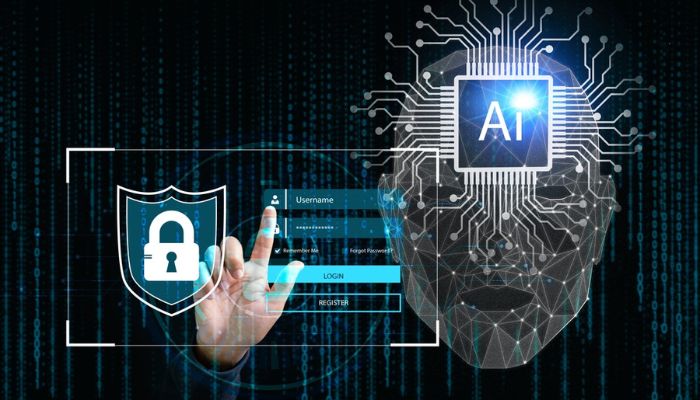
While offensive AI gets the scary headlines, the most significant trend for 2025 is the maturation of defensive AI. This isn’t just about automated threat detection. We’re entering an era of AI systems that can actively hunt, analyze, and respond to threats autonomously.
- Predictive Patrol: AI will move from reacting to predicting. By analyzing global attack data and internal network behavior, these systems will identify vulnerabilities and likely attack vectors before they are exploited.
- Automated Incident Response: Imagine a system that doesn’t just flag a ransomware attempt but instantly isolates the infected device, blocks the command-and-control server IPs, and initiates recovery protocols—all within milliseconds. This is the promise of advanced offensive AI countermeasures built directly into defense platforms.
The Urgent Need for Proactive Offensive AI Countermeasures
This is the core trend you need to understand. As cybercriminals weaponize AI to create more sophisticated phishing emails, polymorphic malware that changes its code to evade detection, and automated vulnerability scanners, our defense must be equally agile. Simply building a better firewall is not enough. This reality is precisely why the strategic implementation of offensive AI countermeasures has become a non-negotiable pillar of modern cybersecurity.
The focus for 2025 will be on developing and deploying offensive AI countermeasures. These are not about attacking back, but about proactively disrupting AI-powered attacks. Think of it as jamming the enemy’s radar.
- Adversarial Machine Learning: Security teams will use their own AI to “poison” the data that criminal AI learns from. By injecting subtle, misleading data into the wild, they can corrupt an attacker’s AI model, causing it to make mistakes and fail.
- AI Deception Technology: Advanced honeypots, powered by AI, will become standard. These aren’t simple traps; they are dynamic, believable digital environments designed to engage with malicious AI, study its behavior, and waste its resources, all while gathering invaluable intelligence on its tactics.
The Quantum Readiness Shift: It’s No Longer Theoretical
You’ve likely heard about “quantum computing breaking encryption.” For 2025, the trend shifts from a theoretical worry to a practical project. While a cryptographically relevant quantum computer may still be years away, the threat of “Harvest Now, Decrypt Later” is very real. Adversaries are already stealing encrypted data today, hoping to decrypt it once quantum computers are available.
The trend for 2025 is crypto-agility—the ability for an organization to seamlessly transition its cryptographic systems. Forward-thinking companies will begin inventorying their most sensitive, long-term data and piloting post-quantum cryptography (PQC) solutions. This isn’t a mainstream project yet, but for governments, financial institutions, and healthcare organizations, it will become a key board-level discussion.
The Human Firewall 2.0: Behavioral Biometrics Take Center Stage
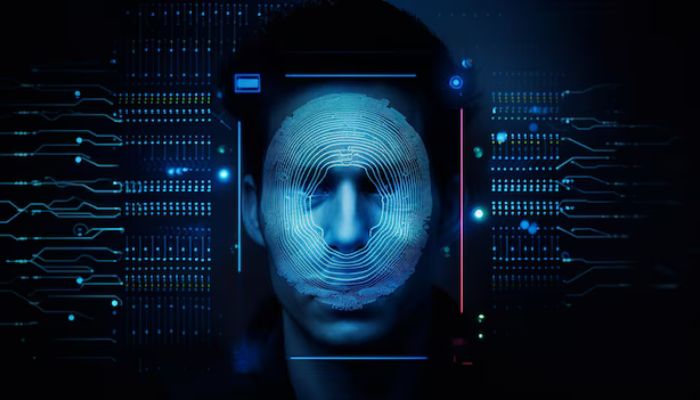
Passwords and even basic two-factor authentication (2FA) are increasingly vulnerable to phishing and SIM-swapping attacks. The next evolution of identity management is behavioral biometrics. This trend moves beyond what you know (a password) or what you have (a phone) to how you behave.
This involves AI continuously analyzing subtle patterns unique to each user, such as:
- Keystroke dynamics (your typing rhythm and pressure)
- Mouse movement patterns
- Device handling and grip
- Common navigation pathways
In 2025, we’ll see this technology become more seamless and integrated. If a system detects a deviation from your behavioral norm—even with the correct password—it can trigger a step-up authentication, effectively creating a dynamic, invisible security layer that is incredibly difficult for AI or humans to imitate.
Read more about Zero-Trust Architecture Explained: How It Really Works
Supply Chain Security Gets a “Zero Trust” Mandate
The SolarWinds attack was a wake-up call, but most companies still implicitly trust their software vendors. The trend for 2025 is the formalization of “Software Supply Chain Zero Trust.” This means verifying the integrity and security of every piece of code, open-source library, and third-party service before it enters your ecosystem. This new standard necessitates offensive AI countermeasures to proactively screen for and neutralize AI-generated malicious code designed to infiltrate the software supply chain.
This will be driven by:
- Software Bills of Materials (SBOMs): Mandated, machine-readable inventories of every component in a software product, becoming a non-negotiable requirement in procurement.
- Automated Security Validation: Tools that continuously test not just your own defenses, but also those of your critical vendors, simulating attacks to ensure their resilience.
Preparing for 2025: Your Action Plan
Understanding these trends is the first step. Acting on them is what will define your security posture in the coming year.
- Audit Your AI Exposure: Identify where your business could be vulnerable to AI-powered phishing, deepfakes, or automated attacks.
- Invest in AI-Powered Defense: Prioritize security solutions that offer genuine AI-driven threat hunting and automated response, not just simple machine learning for analytics.
- Develop a Quantum Transition Plan: Start the conversation now. Identify your most sensitive data and begin researching PQC vendors.
- Pilot Behavioral Biometrics: Consider implementing behavioral analytics in high-security access areas as a pilot project.
- Demand SBOMs from Vendors: Make a Software Bill of Materials a standard requirement in all your new software contracts.
Conclusion: The Future is Proactive, Not Reactive
The cybersecurity trends of 2025 point toward a single, inescapable conclusion: a reactive posture is a losing strategy. The most critical takeaway is the urgent need to develop and deploy sophisticated offensive AI countermeasures. By shifting our mindset from building static defenses to actively engaging and disrupting AI-powered threats through the proactive deployment of offensive AI countermeasures, we can begin to level the playing field. The time to start adapting your strategy is not when the threat is at your door, but now, while the horizon is still clear.




GIPHY App Key not set. Please check settings