

 Saba Khalil
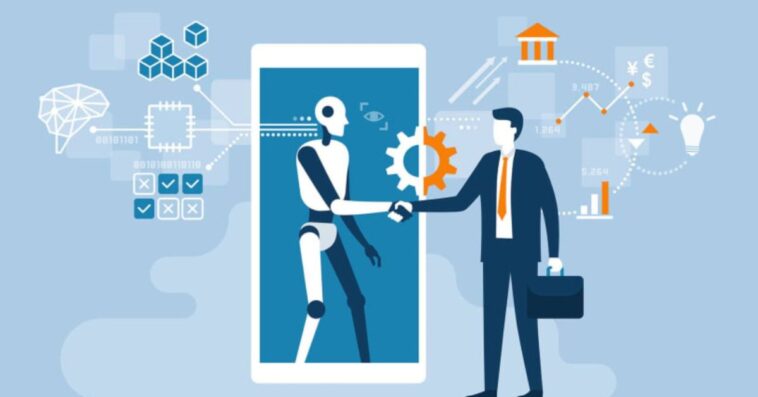
When we think about technology development, we often focus on features, performance, and innovation speed. But a crucial dimension frequently gets overlooked: how ethical tech principles can transform good products into great ones that serve everyone more fairly. Ethical tech isn’t just about avoiding harm—it’s about actively designing systems that include, empower, and respect all users, especially those traditionally marginalized or overlooked.
The movement toward ethical tech represents a fundamental shift in how we conceptualize successful products. Beyond mere compliance or corporate social responsibility, ethical tech integrates inclusion, fairness, and human dignity directly into development processes. This approach doesn’t just benefit users—it creates better products, stronger market positions, and more sustainable business models.
What Exactly is Ethical Tech in Product Development?
Ethical tech refers to the practice of designing, developing, and deploying technology with explicit consideration of its moral implications, social consequences, and distribution of benefits across diverse user populations. Rather than treating ethics as an afterthought or compliance hurdle, ethical tech integrates moral considerations directly into the technical development lifecycle.
True ethical tech encompasses several interconnected dimensions:
- Inclusive Design: Creating products accessible to people with diverse abilities, backgrounds, and contexts
- Bias Mitigation: Identifying and addressing algorithmic, data, and design biases that disadvantage specific groups
- Transparency: Making system operations understandable and accountable to users and stakeholders
- User Agency: Respecting user autonomy and providing meaningful control over technological experiences
- Social Impact: Considering how products affect communities, societies, and democratic processes
The Business Case for Ethical Tech
Some developers dismiss ethical tech as idealism that conflicts with practical business constraints. However, evidence increasingly shows that ethical technology practices correlate strongly with commercial success. Companies prioritizing ethical tech principles often discover that:
- Inclusive products tap into underserved markets, revealing new revenue streams
- Ethical design reduces legal and reputational risks that can destroy value
- Diverse user testing uncovers usability issues that affect all users, not just marginalized ones
- Transparent systems build trust that increases user engagement and loyalty
Practical Strategies for Building More Inclusive Products

Transitioning to ethical tech requires concrete changes in how development teams work. Here are actionable approaches that developers can implement immediately.
Expand Your Definition of “User”
Traditional development often implicitly designs for “average users” who resemble the development team itself. Ethical tech requires consciously expanding this definition to include:
- People with permanent, temporary, and situational disabilities
- Users from different cultural and linguistic backgrounds
- Individuals with varying technical literacy and comfort levels
- People accessing technology under different constraints (time, attention, resources)
Implementing Ethical Tech Through Inclusive User Research
Inclusive ethical tech begins with representative user research that surfaces needs beyond the mainstream. Effective approaches include:
- Intentional Recruiting: Specifically seeking participants from underrepresented groups rather than convenient samples
- Contextual Inquiry: Observing how people use technology in their actual environments rather than lab settings
- Assistive Technology Testing: Regularly testing with screen readers, voice controls, switch devices, and other assistive technologies
- Cultural Proxies: Using cultural translators who can help interpret needs across different communities
Microsoft’s Inclusive Design Toolkit exemplifies this approach, emphasizing designing for one-handed use (situational), closed captioning (temporary), and permanent disabilities simultaneously.
Build Bias Detection Into Your Development Process
Ethical tech requires systematic approaches to identifying and addressing biases that exclude users or create unfair outcomes.
Technical Implementation of Ethical Tech Safeguards
Developers can implement specific technical practices to advance ethical tech:
- Diverse Data Auditing: Regularly reviewing training data for representation across demographic groups
- Fairness Metrics: Implementing quantitative measures of algorithmic fairness across user segments
- Bias Bounties: Creating programs that reward people for identifying biased outcomes
- Adversarial Testing: Systematically attempting to “break” systems in ways that would disproportionately harm vulnerable users
Google’s “What-If Tool” allows developers to probe machine learning models for fairness issues without specialized expertise, making ethical tech more accessible to everyday development teams.
Design for Multiple Access Patterns
Traditional interfaces often assume single, optimal interaction methods. Ethical tech recognizes that users engage with technology differently based on ability, context, and preference.
Practical implementations include:
- Multi-Modal Interfaces: Providing visual, auditory, and haptic feedback simultaneously
- Input Flexibility: Supporting keyboard, mouse, touch, voice, and alternative input methods
- Connection Tolerance: Designing for intermittent, slow, or expensive internet connections
- Cognitive Accessibility: Providing multiple pathways to complete tasks with varying complexity
The BBC’s Global Experience Language (GEL) framework demonstrates this approach, ensuring content remains accessible across devices, connection speeds, and abilities worldwide.
Read more about The Dark Side of Algorithmic Recommendation Systems You Didn’t Know About
Beyond Compliance: The Unexpected Benefits of Ethical Tech

While legal requirements like the Americans with Disabilities Act (ADA) and Web Content Accessibility Guidelines (WCAG) provide important baselines, true ethical tech extends beyond compliance to create genuinely better products.
Innovation Through Constraint
Paradoxically, designing for edge cases often produces innovations that benefit all users. This “curb-cut effect” — named after sidewalk ramps initially designed for wheelchair users that now help parents with strollers, travelers with luggage, and delivery workers — demonstrates how ethical tech drives broader innovation.
Real-world examples include:
- Voice assistants originally developed for visually impaired users now serve hands-free scenarios for everyone
- Closed captioning created for deaf and hard-of-hearing viewers now helps language learners and people watching content in noisy environments
- High-contrast modes designed for low-vision users improve readability in bright sunlight for all mobile users
Building Trust Through Transparency
Ethical tech practices around transparency and user control often create competitive advantages in increasingly skeptical markets. When users understand how systems work and have meaningful choices, they engage more deeply and loyalty increases.
Effective transparency practices include:
- Plain-Language Explanations: Clearly describing how algorithms use user data without technical jargon
- Meaningful Controls: Providing options that genuinely affect outcomes rather than illusory choices
- Failure Communication: Honestly explaining when systems don’t work as intended and how errors will be addressed
- Data Governance: Giving users visibility into how their information is stored, used, and shared
Implementing Ethical Tech in Development Workflows
Making ethical tech sustainable requires integrating it into standard development processes rather than treating it as a separate initiative.
The Ethical Tech Review Process
Many successful teams incorporate ethical tech considerations directly into existing workflows through:
- Ethical Stand-ups: Brief daily discussions of ethical considerations in current work
- Inclusion Checklists: Verification tools used during code review and quality assurance
- Impact Assessments: Structured evaluations of how features might affect different user groups
- Red Team Exercises: Deliberate attempts to identify how features could be misused or cause harm
Measuring What Matters
What gets measured gets managed. Ethical tech requires developing new metrics beyond traditional engagement and performance indicators. Effective teams track:
- Accessibility Coverage: Percentage of features meeting WCAG guidelines
- Representation Gaps: Demographic differences in feature usage and success rates
- Bias Metrics: Quantitative measures of algorithmic fairness across user segments
- Inclusion Sentiment: User perceptions of how well products serve diverse needs
Overcoming Common Ethical Tech Implementation Challenges
Despite its importance, integrating ethical tech practices faces several practical challenges.
Addressing Resource Constraints
Many teams worry that ethical tech requires prohibitive additional resources. However, many impactful practices require minimal investment:
- Leverage Existing Tools: Free accessibility checkers, bias detection libraries, and inclusive design patterns reduce implementation costs
- Start Small: Focus on highest-impact areas rather than attempting comprehensive transformation immediately
- Build Incrementally: Integrate ethical considerations into each development cycle rather than retrofitting
- Community Resources: Tap into open-source tools and shared knowledge bases
Navigating Technical Debt
Legacy systems often present significant ethical tech challenges. Effective approaches include:
- Progressive Remediation: Systematically addressing the most critical accessibility and bias issues first
- Wrapper Solutions: Creating accessible interfaces around legacy components when rewriting isn’t feasible
- Feature Flagging: Deploying improved versions to specific user segments while maintaining existing functionality
- Transparent Roadmaps: Communicating to users how and when ethical improvements will be delivered
The Future of Ethical Tech
As technology becomes more embedded in daily life, ethical tech will evolve from niche concern to core competency. Emerging trends include:
- Regulatory Evolution: Increasing legal requirements beyond basic accessibility to include algorithmic fairness and transparency
- Industry Standards: Development of shared frameworks for evaluating and certifying ethical technology practices
- Consumer Awareness: Growing user expectation that technology will serve diverse needs by design
- Tooling Maturation: More sophisticated development tools that bake ethical considerations directly into workflows
Conclusion: Making Ethical Tech Everyone’s Responsibility
Building truly inclusive products requires seeing ethical tech not as a separate specialty but as integral to professional development practice. Every technical decision—from algorithm selection to interface design—carries ethical dimensions that affect who can use products and how they experience them.
The most successful development teams don’t treat ethical tech as a constraint but as a creative catalyst that reveals new opportunities and builds better products for everyone. By starting with inclusive design principles, implementing bias detection throughout development, and measuring impact across diverse user groups, developers can create technology that doesn’t just avoid harm but actively creates more equitable digital experiences.
The journey toward ethical tech is ongoing, with each product decision representing an opportunity to build more inclusive digital spaces. By embracing this responsibility, developers can ensure technology fulfills its potential to connect, empower, and include all people, not just those who fit narrow definitions of “typical users.”




GIPHY App Key not set. Please check settings