

 Saba Khalil
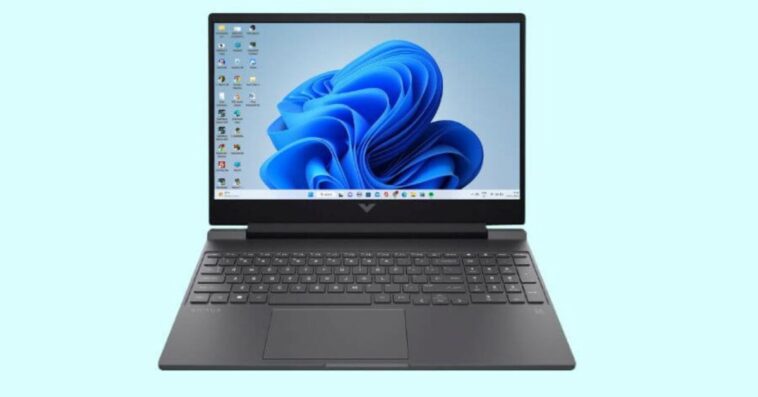
Finding the best laptops for programming is about more than just raw specs. It’s about finding the perfect tool that aligns with your workflow, your preferred stack, and your mobility needs. As we move through 2025, the landscape has evolved with ARM architecture becoming mainstream, AI acceleration becoming a standard feature, and battery life reaching new heights.
“This guide cuts through the noise to bring you a curated selection of the best laptops for programming—machines that excel in performance, keyboard comfort, and display quality, the holy trinity for developers. Whether you’re a student, a startup founder, or an enterprise engineer, we’ve found the ideal coding companion for you.”
Read more about Cloud vs Local Servers: Which IT Solution is Right for Your Business?
What Makes a Great Programming Laptop in 2025?
Before we dive into specific models, let’s establish the key criteria. The best programming laptops balance several critical components:
- Processor (CPU): Multi-core performance is king for running VMs, compiling code, and containerized environments. Look for Intel Core Ultra series, AMD Ryzen 8040/9050 series, or Apple’s M-series chips.
- RAM: 16GB is the new minimum for comfortable programming in 2025. 32GB is recommended for future-proofing and heavy-duty work like data science or running multiple Docker containers.
- Storage (SSD): A fast 512GB SSD is the starting point; 1TB is the sweet spot for accommodating multiple projects and datasets.
- Display: A sharp, high-resolution (at least Full HD) screen with good brightness reduces eye strain during long coding sessions. Consider 16:10 aspect ratios for more vertical code space.
- Keyboard and Trackpad: A comfortable, responsive keyboard is non-negotiable. A precise trackpad is a major quality-of-life improvement.
With these pillars in mind, let’s explore the top contenders.
Top Picks: The Best Laptops for Programming
Apple MacBook Pro 16-inch (M4 Pro/Max)
The MacBook Pro continues to be a powerhouse and a top contender for the title of best laptop for software development, especially for those in mobile, web, and creative fields.
- Pros: Blazing-fast M4 chip compiles code in a flash; unparalleled battery life; stunning Mini-LED XDR display; best-in-class build quality and speakers.
- Cons: Very expensive, especially when upgraded; limited port selection without dongles.
- Ideal For: iOS/macOS developers, full-stack developers, data scientists, and anyone who values a seamless, high-performance UNIX-like environment.
Dell XPS 15 (2025)
A perennial favorite, the Dell XPS 15 remains one of the best programming laptops for Windows users who need a perfect balance of power and portability.
- Pros: A gorgeous near-borderless display; excellent performance from Intel Core Ultra and NVIDIA RTX graphics; premium aluminum and carbon fiber construction.
- Cons: Battery life is good but can’t compete with Apple Silicon; can get expensive with higher-end configurations.
- Ideal For: .NET developers, Android developers, and those who work with graphics-intensive applications or machine learning.
Framework Laptop 16
“For the developer who values sustainability and customization above all else, the Framework Laptop 16 is a revolutionary choice and a truly unique option among the best laptops for programming. It’s not just a tool; it’s a statement.”
- Pros: Completely user-upgradable and repairable; modular expansion bay for GPU and other modules; strong performance with AMD Ryzen processors.
- Cons: Requires a bit more technical comfort; slightly thicker than ultra-thin competitors.
- Ideal For: Linux developers, tinkerers, eco-conscious programmers, and anyone who wants a laptop that will last a decade.
Lenovo ThinkPad Z16 Gen 3
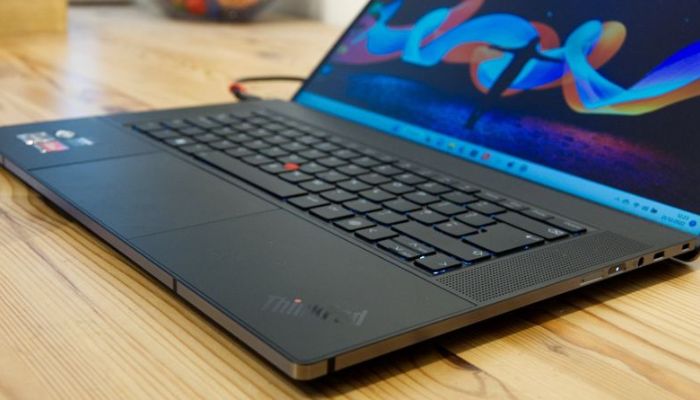
The ThinkPad lineage continues with a modern twist. Renowned for the best keyboard on any laptop, the Z16 Gen 3 is a superb machine for programming and development.
- Pros: Legendary ThinkPad keyboard comfort; sleek, modern design; robust AMD performance and solid battery life; excellent Linux compatibility.
- Cons: The tall 16:10 display can take getting used to; premium price tag.
- Ideal For: Corporate developers, sysadmins, and touch-typists who spend hours a day writing code.
Key Considerations for Your Programming Needs
Operating System: The Core of Your Workflow
Your choice of OS is deeply personal and often tied to your tech stack.
- macOS: A fantastic Unix-based environment that “just works.” Ideal for iOS, web, and Python development. Native support for Docker and most programming tools is excellent.
- Windows: The most versatile OS, especially with the Windows Subsystem for Linux (WSL2), which provides a full Linux kernel. Essential for .NET, C#, and game development.
- Linux: The purist’s choice for backend, cloud, and embedded systems development. Offers unparalleled control and is often faster for development tasks. Pre-installed on devices like Dell’s XPS Developer Edition and Framework laptops.
Performance & Specs Deep Dive
When selecting the best laptop for coding, don’t just look at the marketing. Understand the specs:
- CPU Cores vs. Clock Speed: More cores are better for parallel tasks (compilation, VMs). Higher clock speeds are better for single-threaded performance.
- RAM Speed and Type: Look for LPDDR5X RAM for better power efficiency and performance, which contributes to longer battery life.
- Storage Speed: NVMe PCIe 4.0 (or newer) SSDs offer incredible load times for your IDE, OS, and projects.
Display, Keyboard, and Battery Life
These are the components you interact with all day, and they are critical for productivity and comfort.
- Display: A 16:10 or 3:2 aspect ratio gives you more vertical space for code, meaning less scrolling. Look for high brightness (400 nits+) for working in various lighting.
- Keyboard: A backlit keyboard with good key travel and a tactile response is a must. If possible, try before you buy.
- Battery Life: Aim for a laptop that can last a full workday (8+ hours) on a single charge. Apple’s M-series chips currently lead in this department.
Final Verdict and Buying Advice
The search for the best laptops for programming in 2025 doesn’t have a single right answer, but it does have a clear front-runner for most.
- For the ultimate balance of performance, display, and battery life, the Apple MacBook Pro 16-inch (M4) is unmatched.
- For the best Windows-based all-rounder with a premium feel, the Dell XPS 15 is the one to beat.
- For the forward-thinking developer who values repairability, the Framework Laptop 16 is in a class of its own.
“Choosing from the best laptops for programming is a weighted balance of your budget, your primary tech stack, and your personal ergonomic preferences. Invest in the machine that not only compiles your code quickly but also makes the journey of writing it a pleasure. Choose wisely, and your laptop will be a trusted partner in bringing your ideas to life.”




GIPHY App Key not set. Please check settings