In today’s competitive tech landscape, a resume alone rarely opens doors. What truly separates exceptional developers from the crowd is a thoughtfully crafted portfolio that demonstrates skills through action rather than claims. Learning how to build a strong developer portfolio represents one of the most valuable career investments you can make—yet most developers approach portfolio creation with outdated strategies that fail to capture attention.
This comprehensive guide moves beyond basic “show your projects” advice to reveal unconventional approaches that will help you build a strong developer portfolio that tells a compelling story about your capabilities, problem-solving approach, and professional value. Whether you’re a bootcamp graduate, career changer, or experienced developer seeking better opportunities, these strategies will transform how potential employers perceive your work.
Why Traditional Developer Portfolios Fail
Before exploring how to build a strong developer portfolio, it’s crucial to understand why most portfolios underperform. The average developer portfolio follows a predictable template: a hero section, a projects grid with generic descriptions, and basic contact information. These portfolios blend together because they focus on what was built rather than why it matters or how it was created.
The most common portfolio mistakes include:
- Project-centric thinking rather than problem-solving demonstration
- Technical jargon that alienates non-technical decision makers
- Isolated code examples without business context
- Quantity over quality in project selection
- Missing narrative about professional growth and capabilities
Understanding these pitfalls is the first step toward learning how to build a strong developer portfolio that genuinely stands out.
The Strategic Foundation: Planning Your Developer Portfolio
Learning how to build a strong developer portfolio begins long before you write your first line of code. Strategic planning ensures your portfolio communicates a cohesive story rather than appearing as a random collection of projects.
Define Your Professional Narrative
Your portfolio should tell a story about who you are as a developer. Before selecting projects, consider:
- What specific value do you bring to development teams?
- What types of technical challenges energize you?
- How has your approach to coding evolved over time?
- What makes your perspective unique?
This narrative becomes the throughline that connects your projects and helps you build a strong developer portfolio with intentionality.
Identify Your Target Audience
Different audiences evaluate portfolios through distinct lenses. A startup founder might prioritize speed and practicality, while an enterprise technical lead might emphasize scalability and maintainability. Understanding your ideal viewer helps you build a strong developer portfolio that speaks directly to their priorities.
How to Build a Strong Developer Portfolio for Specific Roles
Tailoring your approach demonstrates strategic thinking:
- Front-end positions: Emphasize user experience, performance, and accessibility
- Back-end roles: Highlight system architecture, database design, and API development
- Full-stack opportunities: Showcase integration skills and holistic thinking
- Specialized domains: Feature domain-specific knowledge and relevant solutions
Project Selection: The Cornerstone of Your Portfolio
Curating which projects to include represents the most critical decision in learning how to build a strong developer portfolio. Quality consistently outperforms quantity.
The T-Shaped Developer Approach
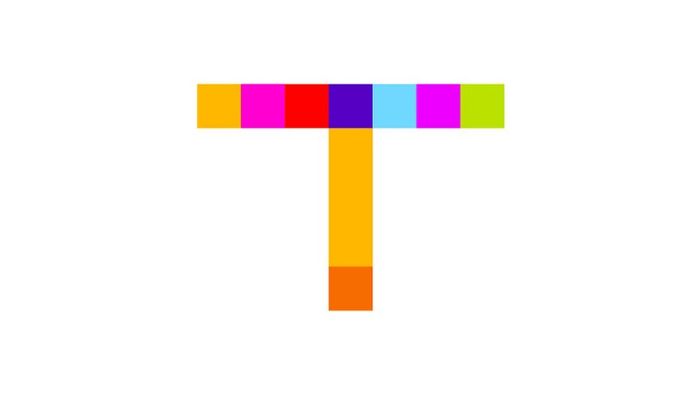
The most effective portfolios demonstrate both breadth and depth through:
- Vertical expertise: 2-3 substantial projects showcasing deep technical skills
- Horizontal awareness: Several smaller projects demonstrating versatility
- Progressive complexity: Projects that show growth from simple to sophisticated solutions
This approach helps you build a strong developer portfolio that appeals to employers seeking both specialists and adaptable team players.
Beyond Tutorials and Bootcamp Projects
The surest way to make your portfolio forgettable is to fill it with projects that hundreds of other developers have also built. Instead, develop original work that solves genuine problems through:
- Identifying pain points in your own workflow or community
- Adding unique features to existing open-source projects
- Solving niche problems that mainstream applications overlook
- Reimagining applications with different technical approaches
Crafting Compelling Project Case Studies
Learning how to build a strong developer portfolio requires mastering the art of the project case study. Simply showing a finished product reveals very little about your capabilities or thought process.
The Problem-Solution-Result Framework
Transform project descriptions into compelling narratives:
- Problem Context: What specific challenge were you addressing? Who experienced this pain point?
- Solution Journey: How did you approach the problem? What alternatives did you consider? What technical decisions did you make and why?
- Implementation Details: What technologies did you select and for what specific reasons? How did you overcome technical obstacles?
- Results and Impact: What was the outcome? Include both quantitative metrics (performance improvements, user growth) and qualitative benefits (user feedback, process improvements).
This framework demonstrates the critical thinking behind your work and represents a crucial element in how to build a strong developer portfolio that showcases professional maturity.
Technical Deep Dives That Build a Strong Developer Portfolio
Include specific technical details that demonstrate your expertise:
- Architectural decisions and the reasoning behind them
- Performance optimizations with before/after metrics
- Security considerations you implemented
- Scalability approaches for growing user bases
- Trade-off analyses between different technical solutions
These details help technical reviewers assess your depth of understanding and approach to engineering challenges.
Presentation and Design Principles
How you present your work significantly impacts how viewers perceive your capabilities. Learning how to build a strong developer portfolio includes mastering presentation fundamentals.
Developer Portfolio Design That Doesn’t Distract
Your portfolio’s design should enhance rather than compete with your content:
- Clean, readable typography that doesn’t strain eyes
- Consistent spacing and layout that creates visual harmony
- Intuitive navigation that requires zero instructions
- Mobile-responsive design that works seamlessly across devices
- Fast loading times that demonstrate performance awareness
Remember: the goal is to build a strong developer portfolio that showcases your projects, not your design flair (unless you’re a front-end developer specializing in design systems).
Strategic Content Organization
Structure your portfolio to guide viewers through a logical progression:
- Hero section that immediately communicates your value proposition
- Selected projects presented as case studies rather than thumbnails
- Skills inventory organized by category with self-assessed proficiency
- About section that reinforces your professional narrative
- Clear calls-to-action guiding visitors toward next steps
This organization helps you build a strong developer portfolio that strategically directs attention toward your strongest assets.
Beyond Code: Demonstrating Soft Skills

Technical hiring managers increasingly prioritize communication, collaboration, and problem-solving abilities. Your portfolio provides the perfect platform to demonstrate these crucial soft skills.
Documentation as a Skill Demonstration
Well-documented code and projects showcase multiple valuable abilities:
- README files that explain projects clearly to different audiences
- Code comments that balance explanation with conciseness
- Setup instructions that help others run your projects effortlessly
- Architecture documentation that explains system design decisions
Communication Through Writing
The way you describe your projects reveals your ability to communicate technical concepts:
- Avoiding excessive jargon while maintaining technical accuracy
- Adapting explanations for different reader expertise levels
- Storytelling techniques that make technical content engaging
- Clear, concise phrasing that respects readers’ time
These elements demonstrate that you understand how to build a strong developer portfolio that communicates effectively with diverse stakeholders.
Technical Excellence and Best Practices
Your portfolio itself should exemplify the quality standards you’d bring to professional projects.
Code Quality Demonstrations
Include examples that showcase your commitment to quality:
- Clean, consistent code following established style guides
- Comprehensive testing with explanations of your testing strategy
- Version control history that shows thoughtful commit practices
- Error handling that demonstrates robustness considerations
- Performance optimization evidence through metrics and explanations
Production-Ready Considerations
Show that you understand what separates functional code from production-ready applications:
- Environment configuration management
- Security implementation details
- Monitoring and logging approaches
- Deployment methodologies and automation
- Database management and migration strategies
These technical differentiators will help you build a strong developer portfolio that stands out to experienced technical reviewers.
Evolving Your Portfolio Over Time
Learning how to build a strong developer portfolio isn’t a one-time task—it’s an ongoing process that should evolve with your skills and career goals.
Regular Portfolio Audits
Schedule quarterly reviews to assess:
- Project relevance to your current career direction
- Technical currency of showcased technologies and approaches
- Content freshness and alignment with your growing experience
- Performance metrics including load times and user engagement
Growth Tracking
Use your portfolio to document your professional development:
- Skill progression from basic to advanced implementation
- Project complexity growth over time
- Learning journey through new technologies and methodologies
- Impact evolution from small to significant project outcomes
This approach transforms your portfolio from a static collection into a living document of your professional growth.
Advanced Strategies for Experienced Developers
Once you’ve mastered the fundamentals of how to build a strong developer portfolio, consider these advanced techniques for further differentiation.
Open Source Contributions
Meaningful open source involvement demonstrates several valuable qualities:
- Collaboration skills with distributed teams
- Code review experience giving and receiving feedback
- Community engagement and technical communication
- Technical specialization in specific domains or technologies
Technical Writing and Thought Leadership

Complement your code with written content that demonstrates depth of understanding:
- Technical blog posts solving specific problems
- Framework comparisons with practical implementation insights
- Tutorial creation that helps others learn
- Conference talks or meetup presentations
These activities showcase both expertise and communication abilities, further strengthening your portfolio’s impact.
Read more about Ethical Tech: How Developers Can Build More Inclusive Products You Didn’t Know About
Conclusion: From Portfolio to Opportunities
Learning how to build a strong developer portfolio represents one of the highest-return investments in your professional development. A exceptional portfolio does more than display technical skills—it tells a compelling story about your problem-solving approach, professional judgment, and value creation potential.
The strategies outlined here will help you create a portfolio that doesn’t just check boxes but genuinely stands out in a crowded field. Remember that the ultimate goal isn’t just to build a strong developer portfolio—it’s to create a powerful professional asset that opens doors to better opportunities, more interesting work, and accelerated career growth.
Your portfolio should evolve as you do, reflecting your growing skills, changing interests, and professional maturation. By treating it as a living document of your capabilities rather than a static collection of projects, you’ll create a resource that continues to serve your career for years to come.