Tag: Industrial IoT

  • Can Digital Twins Make Manufacturing Truly Zero-Waste?

    Can Digital Twins Make Manufacturing Truly Zero-Waste?

    Imagine being able to test every aspect of a factory’s operation—every machine setting, every material flow, every energy draw—in a perfect virtual copy before anything is ever built or changed in the real world. This is the power of the digital twin, a technology poised to revolutionize industrial sustainability. At the same time, the urgent goal of zero-waste manufacturing pushes companies to eliminate not just landfill trash, but all systemic waste: wasted materials, energy, and time. This article explores the critical intersection of these two concepts, asking a pivotal question: Can the implementation of Digital Twins Zero-Waste strategies be the key to achieving truly circular and waste-free production?

    Understanding the Core Concepts: A Digital Replica for a Physical Goal

    To appreciate the synergy, we must first define the terms clearly.

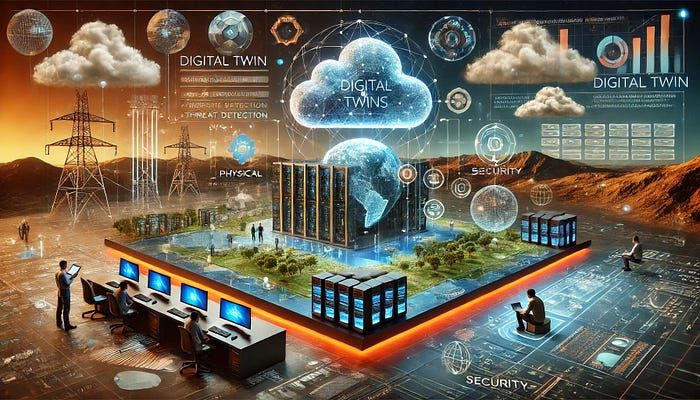
    digital twin is far more than a static CAD model. It is a dynamic, virtual replica of a physical asset, process, or system that is continuously updated with data from sensors, controllers, and enterprise software. This creates a living digital simulation that mirrors the real world in real-time, allowing for deep analysis, experimentation, and prediction.

    Zero-waste manufacturing is a rigorous philosophy that aims to redesign resource life cycles so that all materials are reused, repurposed, or recovered. The ultimate goal is to completely eliminate the concept of “waste,” sending nothing to landfills, incinerators, or the environment. It’s about building a closed-loop system where every output becomes an input for another process.

    H2: The Mechanics of Waste Elimination: How Digital Twins Drive Efficiency
     Digital Twins Zero-Waste

    The pursuit of zero-waste manufacturing through digital twins is not a single action but a continuous process of optimization across the entire product lifecycle. Here’s how this technology systematically attacks waste.

    Read more about How to Start Learning Programming from Scratch in 2025 You Didn’t Know About

    H3: Virtual Prototyping and Design for Disassembly

    The most effective way to manage waste is to prevent it at the design stage. Digital twin technology enables engineers to create and test products and production processes in a risk-free digital sandbox.

    • Material Optimization: Engineers can simulate production to minimize scrap and off-cuts, using the exact amount of raw material required.
    • Sustainable Material Selection: The twin can analyze the long-term environmental impact of different materials, guiding choices towards more durable, recyclable, or biodegradable options.
    • Design for Circularity: Products can be virtually disassembled to ensure that at their end-of-life, components can be easily separated, repaired, or recycled, a core principle of the zero-waste vision.

    H3: Process Optimization and Real-Time Resource Management

    On the factory floor, digital twins act as a central nervous system, identifying and rectifying inefficiencies as they happen.

    • Energy Consumption: The twin can monitor and simulate the energy draw of entire production lines, identifying opportunities to reduce power usage during peak hours or machine idle times.
    • Yield Optimization: By analyzing data from sensors on mixing, cutting, or forming machines, the twin can recommend adjustments to maximize output from raw materials, directly reducing material waste.
    • Logistics and Flow: Simulating material handling and logistics within the factory can pinpoint bottlenecks that lead to product damage or spoilage, common sources of waste in industries like food and pharmaceuticals.

    H2: Overcoming Implementation Hurdles in Sustainable Manufacturing

    While the potential is vast, the path to a Digital Twins Zero-Waste system is not without its challenges.

    H3: The Data Integrity and Integration Challenge
     Digital Twins Zero-Waste

    A digital twin is only as good as the data it receives. Creating a high-fidelity twin requires:

    • A Robust Sensor Network: Significant upfront investment in IoT sensors and data infrastructure is necessary.
    • System Interoperability: Data must flow seamlessly from machines, ERP systems, and supply chain partners into the twin, which can be a complex technical task.
    • Data Cleansing: Inaccurate or “dirty” data will lead to flawed simulations and poor decision-making, potentially increasing waste instead of reducing it.

    H3: Cultural and Skillset Shifts

    Adopting a digital twin model requires a cultural shift from reactive, experience-based decision-making to a proactive, data-driven approach.

    • Workforce Training: Employees at all levels need to understand how to interpret and act on the insights provided by the twin.
    • Cross-Departmental Collaboration: Success depends on breaking down silos between design, production, maintenance, and sustainability teams.

    H3: Predictive Maintenance: A Direct Path to Waste Reduction

    One of the most immediate and impactful applications of digital twin technology is in predictive maintenance. Instead of following a fixed schedule or waiting for a machine to break (which causes scrap and downtime), the twin uses AI to analyze machine data and predict failures before they occur.

    • Reduced Defects: By maintaining equipment in optimal condition, the number of defective products—a direct form of material and resource waste—is drastically cut.
    • Extended Asset Life: Preventing catastrophic failure and enabling targeted repairs extends the lifespan of machinery itself, reducing the waste associated with manufacturing and disposing of replacement parts.

    H2: The Future is Circular: The Evolving Role of Digital Twins

    Looking ahead, the role of digital twins in zero-waste manufacturing will expand beyond the factory walls to create a truly circular economy.

    • Supply Chain Transparency: Twins can simulate and monitor the entire supply chain, tracking the environmental footprint of raw materials from source to factory, enabling more sustainable sourcing decisions.
    • Product Lifecycle Management: A twin can follow a product throughout its entire life, providing data on its usage, health, and eventual disassembly. This information is invaluable for designing better, longer-lasting products and creating efficient take-back and recycling programs.

    Conclusion: A Powerful Tool, But Not a Magic Bullet

    So, can digital twins make manufacturing truly zero-waste? The evidence points to them being the most powerful enabler we have. Digital Twins Zero-Waste strategies provide the unprecedented visibility, predictive power, and holistic control needed to systematically design waste out of existence.
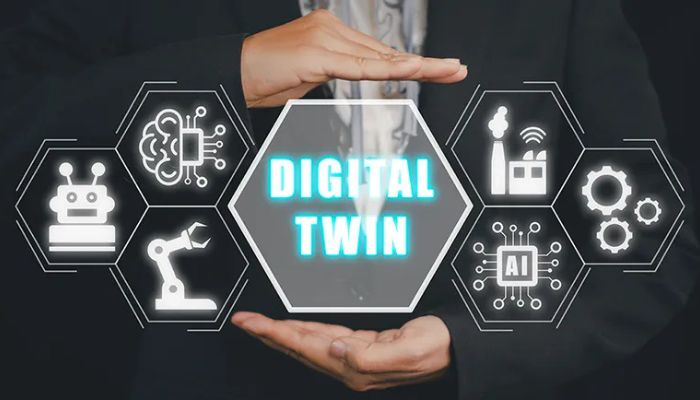
     Digital Twins Zero-Waste

    However, the technology is a tool, not a magic wand. Its success hinges on a company’s genuine commitment to sustainability, significant investment in data infrastructure, and a willingness to transform its operational culture. For those who embrace it, the digital twin offers a clear and data-driven pathway to not only dramatically reduce waste and costs but also to build a resilient, sustainable, and truly circular manufacturing enterprise for the future. The virtual blueprint for a waste-free world is now within our reach.

  • How Edge Computing Is Powering the Next Generation of Smart Devices

    How Edge Computing Is Powering the Next Generation of Smart Devices

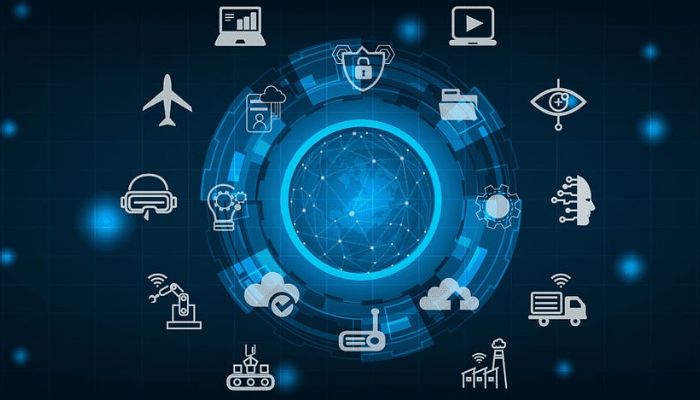
    A quiet revolution in Edge Computing is transforming the smart devices in your life, making them faster, more private, and more intelligent than ever before. While we’re familiar with gadgets that rely on the cloud, a new model is taking over: one where data is processed locally, right at the source. This shift to decentralized processing is the invisible engine behind a new wave of smart devices you didn’t even know were getting smarter, and it’s changing everything.

    Edge Computing Explained: The Fundamentals

    Let’s break down this technical term into a simple, human concept.

    Imagine this technology as a shift from a centralized brain to a distributed nervous system. In the traditional cloud model, all thinking happens in a single, distant data center—the “central brain.” Your device is just a pair of hands and eyes, constantly asking the brain what to do.

    Edge Computing flips this script. It processes data much closer to the source—literally at the “edge” of the network, on or near the device itself. Instead of sending every byte of data on a long round-trip to the cloud, the device can analyze and act on it instantly, locally.

    In essence, this approach gives smart devices a “local brain.”

    The Core Difference: Cloud vs. Edge

    • Cloud Computing: Data → Internet → Distant Data Center → Processing → Instructions → Internet → Device. (This takes time and bandwidth).
    • Edge Computing: Data → Local Device/Gateway → Processing → Instant Action. (This is fast and efficient).
    • This fundamental shift from a centralized to a decentralized model is what makes the next leap in smart device innovation possible.

    This fundamental shift from a centralized to a decentralized model is what makes the next leap in smart device innovation possible.

    How Edge Computing Supercharges Smart Device Capabilities

     Edge Computing

    You might be wondering why this local processing is such a big deal. The benefits of integrating Edge Computing directly into smart devices are transformative, solving some of the biggest limitations of the cloud-only approach.

    H3: The Speed of Edge: Blazing-Fast Response and Low Latency

    Latency is the delay between a command and a response. For many applications, even a half-second delay is unacceptable. Edge Computing slashes latency by processing data locally.

    • Real-World Impact: An autonomous forklift in a warehouse can’t afford to wait for a cloud server to tell it to stop when a worker steps in its path. With Edge Computing, its onboard systems can perceive the obstacle and brake instantly, preventing accidents.

    H3: Edge Computing Security: Enhanced Privacy and Data Integrity

    When a smart device processes sensitive data locally, that information never has to leave your home or office. This is a massive win for privacy.

    • Real-World Impact: A smart security camera with Edge Computing can analyze video footage locally to detect a person. Instead of streaming all your video to the cloud, it only sends a tiny, encrypted alert—”motion detected, human”—when necessary. Your private life stays private.

    H3: Reliability at the Edge: Uninterrupted Operation Offline

    Cloud-dependent devices become useless when the internet goes down. Edge computing-enabled devices maintain their core intelligence because their processing power is built-in.

    • Real-World Impact: A smart agricultural system monitoring soil moisture can continue to control irrigation valves on a schedule based on local data, even during a internet outage in a remote field.

    H3 Efficiency by Design: Drastic Reduction in Bandwidth

     Edge Computing

    Constantly streaming high-volume data like video and sensor readings to the cloud consumes enormous bandwidth. By processing data locally, Edge Computing devices only send crucial, summarized insights.

    • Real-World Impact: A factory with thousands of sensors can use Edge Computing to monitor machine health locally, only alerting managers when a potential failure is predicted, instead of clogging the network with endless normal readings.

    The Hidden World of Next-Gen Edge-Powered Devices

    The most exciting applications of Edge Computing are often in devices you don’t typically think of as “smart.” Here are some lesser-known examples that are actively being deployed.

    H3: Edge Computing in Life-Saving Medical Wearables

    Beyond fitness trackers, advanced medical devices are leveraging Edge Computing for real-time health monitoring. Imagine a compact, wearable ECG monitor that doesn’t just record data. Using its local processing power, it can analyze your heart rhythm in real-time to detect signs of atrial fibrillation. The moment an anomaly is found, it can send a critical alert to your doctor and even your phone, potentially preventing a stroke without waiting for a cloud server to process the data.

    H3:Intelligent Retail and the Edge Computing Advantage

    The future of retail isn’t just online; it’s in smart physical stores. Edge Computing enables cameras and sensors to track inventory in real-time, alerting staff the moment a shelf is empty. It can also power frictionless checkout systems (like Amazon Go) where hundreds of cameras work in concert to identify the items you take, processing this complex visual data locally to ensure a seamless shopping experience.

    H3: Autonomous Farming Powered by Local Processing

    Modern farms are becoming data centers in the field. Tractors and harvesters equipped with Edge Computing can analyze soil conditions, identify weeds versus crops using on-device computer vision, and precisely apply fertilizer or pesticide only where needed—all without a constant, strong internet connection in the middle of a cornfield.

    H3:Building Smarter Grids with Edge Technology

    Our energy grids are getting smarter. Edge Computing devices installed on transformers and power lines can monitor electrical flow, predict potential failures by analyzing local load patterns, and even automatically reroute power to avoid blackouts, creating a more resilient and efficient energy infrastructure.

    Read more about The Rise of Bio-Inspired AI: When Nature Teaches Machines

    Navigating the Challenges and The Future of Edge Computing

    The path forward for Edge Computing isn’t without its hurdles. As an industry, we must address:

    • Hardware Limitations: Packing enough processing power into small, power-constrained devices remains a challenge.
    • Management Complexity: Managing and updating thousands or millions of distributed Edge devices is more complex than maintaining a centralized cloud.
    • Security Standards: While it enhances privacy, each Edge device becomes a potential new target for attackers, requiring robust, built-in security protocols.

    Despite these challenges, the future is incredibly bright. We are moving towards a hybrid model where the cloud acts as a centralized “orchestrator” for long-term learning and updates, while the Edge devices handle real-time, mission-critical tasks. With the rise of 5G and specialized AI chips, the capabilities of Edge Computing will only grow, leading to devices that are more responsive, private, and intelligent than we ever thought possible.

    Conclusion: An Intelligent Future, Built on the Edge

     Edge Computing

    Edge Computing is far more than a buzzword; it’s the foundational technology enabling a new class of smart devices that are truly intelligent. By bringing processing power closer to the action, we are building a world where technology responds instantly, protects our privacy, and works reliably anywhere. The next time your device seems surprisingly quick or clever, remember—it might just be thinking for itself, thanks to the power of Edge Computing.