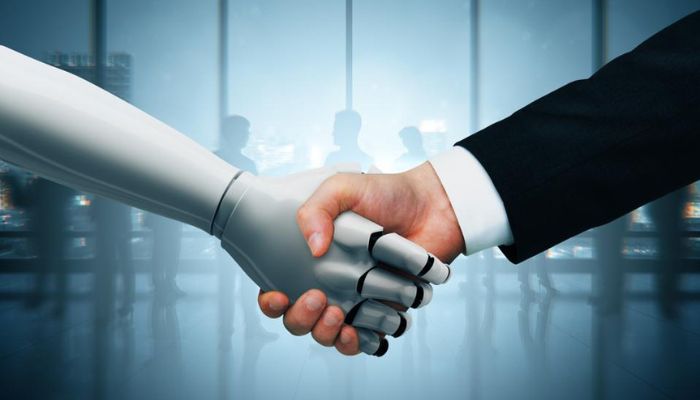
Tag: computer science AI

  • Raspberry Pi Projects: The Unsung Engine of Modern Innovation You Didn’t Know About

    Raspberry Pi Projects: The Unsung Engine of Modern Innovation You Didn’t Know About

    When you hear “Raspberry Pi,” you might think of a hobbyist’s toy—a tiny, affordable computer for building retro gaming consoles or simple home automation. But to see it only as a gadget for tech tinkerers is to miss a much bigger, more exciting story. Beneath the surface of popular tutorials lies a world of groundbreaking Raspberry Pi projects that are quietly driving innovation in science, art, education, and industry. This isn’t just about programming; it’s about problem-solving on a global scale.

    This article pulls back the curtain on the most impactful and surprising applications of this miniature marvel. We’re moving beyond the basic how-to guides to explore how Raspberry Pi projects are becoming a powerful, accessible tool for change, empowering a new generation of creators to build what was once only possible for large corporations and research labs.

    H2: The Foundation: Why Raspberry Pi Projects Are a Unique Catalyst for Innovation

    The Raspberry Pi’s power isn’t just in its specs; it’s in its philosophy. Its low cost, modularity, and open-source ecosystem create a perfect storm for innovation.

    H3: Accessibility and Power: A Democratizing Force

    At the heart of every great Raspberry Pi projects story is accessibility. For the price of a textbook, anyone—a student, an artist, a farmer in a developing nation—can get their hands on a fully functional computer. This low barrier to entry democratizes technology, breaking down the financial walls that often keep great ideas from being tested. When failure is cheap, experimentation flourishes, leading to unexpected and revolutionary Raspberry Pi projects.

    H3: The GPIO Magic: Bridging the Digital and Physical Worlds

    Unlike a standard computer, the Raspberry Pi features a set of General-Purpose Input/Output (GPIO) pins. This is its superpower. These pins allow the Pi to interact directly with the physical world—sensing temperature, controlling motors, reading data from sensors, and turning lights on and off. This transforms it from a mere computer into the brain for intelligent systems, forming the core of innovative Raspberry Pi projects in robotics, environmental monitoring, and smart infrastructure.

    H2: Unexpected Frontiers: Raspberry Pi Projects Solving Real-World Problems

    Raspberry Pi Projects

    The true testament to the Pi’s impact lies in its application areas. Let’s explore some of the less publicized but profoundly impactful domains.

    H3: Revolutionizing Environmental and Agricultural Science

    Researchers and citizens are using the Pi to create affordable, high-precision monitoring tools.

    • Precision Agriculture: Farmers are deploying Raspberry Pi projects that use soil moisture sensors and weather data to automate irrigation, conserving water and boosting crop yields.
    • Wildlife Conservation: Motion-activated camera traps powered by the Pi, equipped with machine learning models, can identify specific species and track wildlife populations without human intrusion, all at a fraction of the cost of commercial systems.
    • Air and Water Quality Networks: Communities are building distributed sensor networks using Raspberry Pis to monitor local pollution levels, generating hyperlocal data that can influence policy and public health.

    H3: Pioneering Edge AI and Machine Learning

    The latest Raspberry Pi projects are harnessing the power of Edge AI—running machine learning models directly on the device, without a constant internet connection.

    • Smart Assistive Technology: Developers have created devices that use real-time object recognition to help visually impaired individuals navigate their surroundings, describing objects and reading text aloud.
    • Industrial Quality Control: Small manufacturers are using Pi-powered vision systems to inspect products on assembly lines for defects, providing an AI-powered solution that is both cost-effective and highly customizable.

    H2: The Creative and Cultural Impact of Advanced Raspberry Pi Projects

    Innovation isn’t confined to labs and fields; it’s thriving in studios and galleries, driven by artists and musicians.

    H3: Interactive Art Installations

    The Pi is a favorite among new media artists. Its small size and capability to handle video, sound, and sensor input make it ideal for creating dynamic art. Imagine an installation where the movement of viewers changes a projected image or a sculpture that responds to ambient sound—these are all made possible by custom Raspberry Pi projects.

    Read more about How to Write Technical Blog Posts That People Actually Read You Didn’t Know About

    H3: The Future of Homebrew Robotics

    While many start with a simple line-following robot, the community has advanced to incredible feats. From Pi-powered underwater ROVs (Remotely Operated Vehicles) for exploring local ponds to sophisticated robotic arms that can be controlled remotely, the Pi serves as the nervous system and brain, making advanced robotics accessible to all.

    H2: Your Blueprint: How to Start Your Own Innovative Raspberry Pi Project

    Feeling inspired? Transitioning from a consumer of tutorials to a creator of original Raspberry Pi projects requires a shift in approach.

    1. Start with a Problem, Not a Component: Don’t think “I have a Pi, what can I build?” Instead, identify a small, annoying problem in your daily life or community. The best Raspberry Pi projects are born from a genuine need.
    2. Embrace the “Modular” Mindset: You don’t need to build everything from scratch. The ecosystem is filled with pre-built sensors, HATs (Hardware Attached on Top), and software libraries. Your innovation lies in how you combine them to create a unique solution.
    3. Prototype, Don’t Perfect: Get a basic version of your idea working as quickly as possible. Use breadboards and jumper wires. The goal of the first iteration is to prove the concept, not to look pretty.
    4. Document and Share Your Journey: The spirit of the Pi is open source. By sharing your process, code, and challenges, you contribute back to the community, inspiring the next wave of innovative Raspberry Pi project
    Raspberry Pi Projects

    The narrative of the Raspberry Pi is still being written, and it’s far grander than a simple DIY board. It is a testament to how accessible technology can unleash a tsunami of creativity and problem-solving. From monitoring endangered ecosystems to empowering individuals with disabilities and creating breathtaking art, these Raspberry Pi projects are a powerful reminder that you don’t need a massive budget to make a massive impact. You just need a little imagination and a tiny, powerful computer to bring it to life. The next world-changing idea might just be booting up on a Raspberry Pi on a kitchen table near you.

  • How to Stay Relevant as a Developer in the AI Era

    How to Stay Relevant as a Developer in the AI Era

    The rapid advancement of artificial intelligence has sparked both excitement and anxiety across the developer community. As AI systems become increasingly capable of writing code, debugging programs, and even designing architectures, many developers wonder about their future role. Learning how to stay relevant developer professionals must evolve has become one of the most critical career questions facing technologists today. The developers who will thrive aren’t those who resist AI, but those who learn to harness it as the most powerful tool ever added to our toolkit.

    This comprehensive guide explores practical strategies to stay relevant developer careers in an AI-dominated landscape. Beyond the obvious advice of “learn AI,” we’ll examine the fundamental mindset shifts, skill combinations, and career strategies that will separate the developers who flourish from those who struggle in the coming years.

    Understanding the AI Shift: Why Every Developer Must Adapt

    The integration of AI into software development represents more than just another technological evolution—it’s a fundamental transformation of the developer’s role. The question of how to stay relevant developer professionals begins with recognizing that while AI will automate certain tasks, it simultaneously creates new opportunities and elevates the value of distinctly human capabilities.

    From Code Creator to AI Collaborator

    The most successful developers in the AI era are repositioning themselves from pure code producers to AI collaborators and orchestrators. This evolution requires understanding that:

    • AI handles repetitive coding patterns, freeing developers for higher-value architecture and design work
    • Human judgment remains essential for understanding business context, user needs, and ethical considerations
    • The developer’s role expands to include training, guiding, and validating AI systems
    • Problem formulation becomes more valuable than solution implementation in many cases

    This collaborative approach represents the foundation of how to stay relevant developer careers must evolve—by focusing on what humans do uniquely well while leveraging AI for what it does best.

    Essential Skills to Stay Relevant Developer Careers

    The technical landscape is shifting, and the skills that guaranteed career security a decade ago may not suffice tomorrow. Here’s how to stay relevant developer professionals through strategic skill development.

    Mastering AI-Augmented Development

    Learning to work effectively with AI tools has become non-negotiable for developers who want to stay relevant developer careers. This doesn’t necessarily mean becoming an AI expert, but rather developing proficiency in:

    • Prompt Engineering for Development: Crafting effective prompts that generate high-quality code, tests, and documentation
    • AI-Assisted Debugging: Using AI to identify root causes and suggest fixes more efficiently
    • Code Review Augmentation: Leveraging AI to catch potential issues before human review
    • AI Tool Evaluation: Assessing which AI coding assistants provide the most value for specific contexts

    These skills help you stay relevant developer workflows by dramatically increasing productivity while maintaining quality standards.

    Developing Architecture and System Thinking

    As AI handles more routine coding, human developers provide increasing value through architectural perspective. To stay relevant developer professionals must strengthen their ability to:

    • Design systems that effectively integrate AI components
    • Make strategic technology choices based on long-term maintainability
    • Understand trade-offs between different architectural approaches
    • Plan for scalability, security, and reliability from the outset

    This systems thinking represents a crucial dimension of how to stay relevant developer careers—by operating at higher levels of abstraction than AI currently manages.

    H3: Technical Specializations That Help Developers Stay Relevant

    While general programming skills remain valuable, certain specializations offer particularly strong positioning for developers seeking to stay relevant developer careers:

    • AI Integration Specialists: Developers who understand how to incorporate AI capabilities into existing applications
    • Security-Focused Developers: Professionals who ensure AI systems remain secure and trustworthy
    • Performance Optimization Experts: Those who optimize both AI and traditional systems for efficiency
    • Legacy System Modernizers: Developers who guide the transition from older systems to AI-ready architectures

    These specializations demonstrate that there are multiple pathways to stay relevant developer professionals in the AI era.

    The Human Skills That Help Developers Stay Relevant

    stay relevant developer

    Paradoxically, as technology becomes more advanced, distinctly human capabilities become more valuable. The developers who will stay relevant developer careers longest are those who complement their technical skills with strong human capabilities.

    Communication and Collaboration Skills

    The ability to work effectively with both humans and AI systems has become essential to stay relevant developer professionals. Key capabilities include:

    • Explaining Technical Concepts to non-technical stakeholders
    • Facilitating Human-AI Collaboration within development teams
    • Translating Business Needs into technical requirements for AI systems
    • Mediating Between Different Perspectives on technical decisions

    These skills ensure you stay relevant developer teams by serving as a crucial bridge between technical possibilities and human needs.

    Critical Thinking and Ethical Reasoning

    AI systems can suggest solutions, but human developers must evaluate their appropriateness, which is essential to stay relevant developer professionals. This requires strengthening:

    • Evaluation of AI-Generated Code for quality, security, and maintainability
    • Ethical Assessment of how technical decisions impact various stakeholders
    • Business Context Understanding to ensure technical choices align with organizational goals
    • Risk Management regarding AI limitations and potential failure modes

    This critical perspective represents a fundamental element of how to stay relevant developer careers must evolve—from implementers to evaluators and decision-makers.

    Strategic Mindset Shifts to Stay Relevant Developer Careers

    Beyond specific skills, certain mindset changes separate developers who thrive with AI from those who struggle.

    Embracing Continuous Learning

    The pace of change in AI requires a fundamentally different approach to skill development. To stay relevant developer professionals must adopt:

    • Experimental Mindset: Regularly trying new tools and approaches without fear of failure
    • Learning Integration: Making skill development part of daily work rather than a separate activity
    • Knowledge Sharing: Contributing to collective learning within teams and communities
    • Curiosity-Driven Exploration: Following emerging trends and understanding their implications

    This learning orientation ensures you continuously stay relevant developer practices as the technological landscape evolves.

    Focusing on Business Value

    Developers who understand and contribute to business outcomes will always stay relevant developer roles, regardless of technological changes. This requires:

    • Understanding Organizational Goals beyond technical specifications
    • Measuring Impact rather than just activity or output
    • Communicating Value of technical work in business terms
    • Prioritizing Work based on potential business impact rather than technical interest

    This business alignment represents a powerful strategy to stay relevant developer careers by connecting technical work to organizational success.

    Practical Steps to Stay Relevant Developer Careers Today

    Knowing the theory is important, but action creates results. Here are concrete steps you can take immediately to stay relevant developer in the AI era.

    Build Your AI Collaboration Skills

    Start integrating AI into your daily workflow through:

    • Regular Practice with AI Coding Assistants: Dedicate time to learning tools like GitHub Copilot, Cursor, or CodeWhisperer
    • Progressive Integration: Begin with AI for documentation, then testing, then code generation as you build confidence
    • Critical Evaluation: Develop your judgment about when to accept, modify, or reject AI suggestions
    • Workflow Optimization: Identify where AI provides the most leverage in your specific development process

    These practical steps form the foundation of how to stay relevant developer workflows in an AI-augmented world.

    Develop Your Specialized Knowledge

    stay relevant developer

    While AI handles general programming tasks, deep specialized knowledge remains valuable. To stay relevant developer professionals should:

    • Identify Emerging Domains where AI adoption creates new opportunities
    • Build Vertical Expertise in specific industries or application areas
    • Combine Technical and Domain Knowledge to solve complex, context-rich problems
    • Create Unique Skill Combinations that differentiate you from both AI and other developers

    This specialized approach represents a strategic way to stay relevant developer careers by developing expertise that AI cannot easily replicate.

    H3: Building a Network That Helps You Stay Relevant

    Your professional relationships significantly influence your ability to stay relevant developer in a changing landscape. Strategic networking includes:

    • Connecting with AI Practitioners to understand emerging best practices
    • Participating in Cross-Functional Teams to develop business understanding
    • Engaging with Diverse Perspectives to challenge your assumptions
    • Contributing to Communities where knowledge sharing accelerates collective learning

    These connections provide the awareness and opportunities that help you stay relevant developer as the industry evolves.

    Read more about Essential Tools for Remote Software Teams You Didn’t Know About

    The Future Developer: Evolving Roles and Opportunities

    The long-term path to stay relevant developer careers involves understanding how developer roles are transforming rather than disappearing.

    From Implementer to Orchestrator

    The most successful developers are evolving into roles where they:

    • Orchestrate Multiple AI Systems to solve complex problems
    • Define Problems and Constraints for AI systems to solve
    • Validate and Integrate AI-generated solutions
    • Maintain System Coherence across AI and human-developed components

    This orchestration role represents an elevated position that builds on rather than replaces traditional development skills.

    The Rise of the “Developer-Plus”

    Increasingly, developers who stay relevant developer careers are combining coding skills with other capabilities:

    • Developer-Product Manager: Guiding technical development based on deep user understanding
    • Developer-Data Scientist: Building systems that leverage both algorithmic and AI capabilities
    • Developer-Ethicist: Ensuring technology development aligns with human values
    • Developer-Innovator: Creating new possibilities through novel combinations of technologies

    These hybrid roles demonstrate that the question of how to stay relevant developer isn’t about abandoning development skills, but about integrating them with complementary capabilities.

    Conclusion: Embracing the AI Partnership

    Learning how to stay relevant developer in the AI era represents both a challenge and an unprecedented opportunity. The developers who thrive will be those who view AI not as a replacement, but as the most powerful collaborator they’ve ever worked with—one that handles routine implementation while freeing human creativity for higher-value challenges.

    The strategies outlined here provide a roadmap to stay relevant developer careers by focusing on uniquely human capabilities while strategically leveraging AI augmentation. By developing both the technical and human skills needed in this new landscape, positioning yourself at the intersection of technology and business value, and embracing continuous evolution, you can not only survive but thrive as a developer in the AI era.

    stay relevant developer

    The most exciting chapter of software development may just be beginning—and developers who learn to partner effectively with AI will be at the forefront of creating the future. Your journey to stay relevant developer starts with recognizing that your value comes not from what you code, but from the problems you solve and the value you create through your unique combination of human and technological capabilities.