Tag: Circular Economy

  • Sustainable Tech: How Greener Hardware is Building a Better Future

    Sustainable Tech: How Greener Hardware is Building a Better Future

    For decades, the tech industry’s mantra has been “faster, smaller, more powerful.” But this relentless pursuit of innovation has come with a hidden cost: a growing environmental footprint. From the energy-hungry data centers that power our digital lives to the mountains of electronic waste (e-waste) piling up in landfills, the need for a new direction is clear. Enter the era of Sustainable Tech.

    This isn’t just a buzzword; it’s a fundamental shift in how we design, manufacture, use, and dispose of our electronic devices. It’s about building a future where technology thrives in harmony with the planet. At the heart of this movement is a quiet revolution in creating greener hardware. Let’s dive into what Sustainable Tech truly means and how it’s changing the very building blocks of our digital world.

    What is Sustainable Tech? Beyond Recycling

    When people hear Sustainable Tech, they often think of recycling old phones. While that’s part of the picture, the concept is far more profound and proactive. True Sustainable Tech is a holistic approach that considers the entire lifecycle of a product:

    • Design and Sourcing: Using recycled, renewable, and non-toxic materials.
    • Manufacturing: Powering factories with renewable energy and minimizing water usage.
    • Usage: Creating energy-efficient devices that draw less power.
    • Longevity and Repair: Designing products that last longer and are easy to fix.
    • End-of-Life: Ensuring devices can be easily disassembled, recycled, or safely biodegraded.

    The goal is to create a circular economy for electronics, moving away from the traditional “take-make-dispose” model. This is where greener hardware plays a starring role.

    Read more about What Makes Apple Silicon So Efficient? The Engineering Marvel Explained

    The Pillars of Sustainable Tech Hardware

    Designing for a Circular Economy

    The first and most crucial step in Sustainable Tech happens on the drawing board. Companies leading this charge are embracing Design for Sustainability (DfS) principles.

    • Modular Design: Imagine a laptop where you can easily upgrade the RAM, replace the battery, or swap out a faulty port. This is the promise of modular design, championed by companies like Framework. It dramatically extends the device’s lifespan, fighting the scourge of planned obsolescence.
    • Repairability: The “Right to Repair” movement is a core tenet of Sustainable Tech. This means designing devices with standard screws, providing easy-to-follow repair guides, and making spare parts available to consumers and independent repair shops. Fairphone, for instance, has built a smartphone designed to be opened and fixed with a standard screwdriver.
    • Durability: Using high-quality materials that can withstand years of use is a simple yet powerful form of sustainability. A device that doesn’t break or become outdated in two years is inherently greener than one that needs constant replacement.

    The Material World of Sustainable Tech

    Sustainable Tech

    Sourcing with a Conscience

    What our gadgets are made of is just as important as how they’re built. The push for greener hardware has led to incredible material innovation.

    • Recycled and Renewable Materials: Many tech brands now incorporate post-consumer recycled (PCR) plastics, recycled aluminum, and even bio-based polymers derived from sustainable sources like corn or castor oil into their products. Apple, for example, uses 100% recycled tungsten and rare earth elements in many of its devices.
    • Reducing Hazardous Substances: Limiting the use of toxic materials like mercury, PVC, and brominated flame retardants (BFRs) makes devices safer to produce, use, and, ultimately, recycle. This protects both factory workers and the environment at a product’s end-of-life.
    • Conflict-Free Minerals: A truly ethical approach to Sustainable Tech involves ensuring that the minerals used in electronics (like tin, tantalum, tungsten, and gold) are sourced from mines that do not fund armed conflict or use forced labor.

    The Power of Efficiency: Energy and Resource Management

    A device’s environmental impact isn’t just about its physical body; it’s also about the energy it consumes over its lifetime. This is a critical area where Sustainable Tech is making huge strides.

    • Advanced Chip Design: The development of more efficient processors, like Apple’s Silicon chips or ARM-based architectures in many PCs, has been a game-changer. These chips deliver incredible performance while using significantly less power, leading to longer battery life and lower energy bills.
    • Low-Power Displays: Screen technology is a major power drain. Innovations like mini-LED and OLED displays, combined with intelligent software that adjusts refresh rates and brightness, contribute massively to energy savings.
    • Renewable Energy in Manufacturing: The commitment to Sustainable Tech extends to the factory floor. Leading companies are powering their manufacturing facilities and data centers with 100% renewable energy, significantly reducing the carbon footprint of each device produced.

    The Human Element: Why Your Choices Matter

    The shift to Sustainable Tech isn’t just the responsibility of corporations. As consumers, our choices drive the market.

    • Buying for Longevity: Instead of chasing every minor upgrade, consider investing in a high-quality device that will last for years. Look for brands that have strong repairability scores.
    • Supporting the Right to Repair: Choose companies that empower you to fix your own gadgets. This not only saves you money but also reduces e-waste.
    • Responsible Disposal: When a device truly reaches the end of its life, don’t throw it in the trash. Recycle it through a certified e-waste recycler who can safely recover valuable materials.

    The Road Ahead for Sustainable Tech
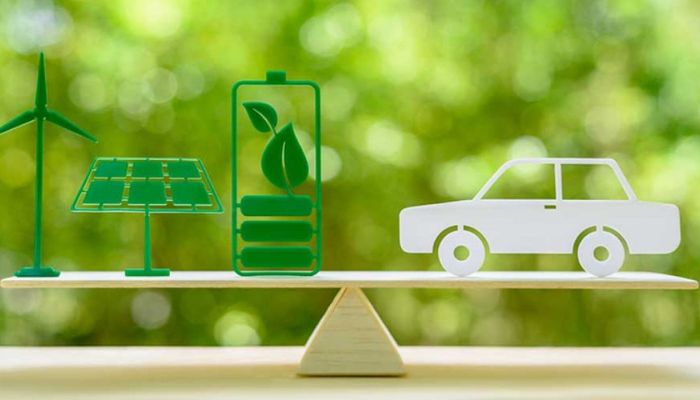
    Sustainable Tech

    The journey toward fully Sustainable Tech is ongoing. Challenges remain, such as the high cost of sustainable materials and the complexity of global supply chains. However, the momentum is undeniable. From modular laptops to phones designed for a decade of use, the blueprint for a greener digital future is being written today.

    Conclusion: A Call for Conscious Innovation

    Sustainable Tech is more than a trend; it’s an imperative. It represents a maturation of the tech industry, one that balances the drive for innovation with a profound responsibility to our planet and its people. By supporting companies that prioritize greener hardware, repairability, and ethical sourcing, we are all participating in building a more resilient and responsible technological ecosystem. The future of technology isn’t just smart; it’s sustainable.

  • Can Digital Twins Make Manufacturing Truly Zero-Waste?

    Can Digital Twins Make Manufacturing Truly Zero-Waste?

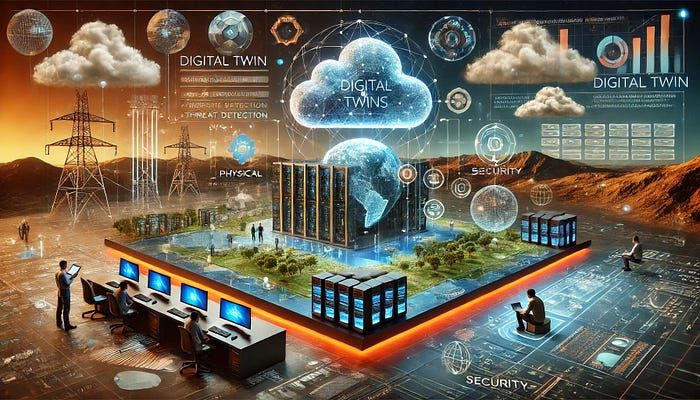
    Imagine being able to test every aspect of a factory’s operation—every machine setting, every material flow, every energy draw—in a perfect virtual copy before anything is ever built or changed in the real world. This is the power of the digital twin, a technology poised to revolutionize industrial sustainability. At the same time, the urgent goal of zero-waste manufacturing pushes companies to eliminate not just landfill trash, but all systemic waste: wasted materials, energy, and time. This article explores the critical intersection of these two concepts, asking a pivotal question: Can the implementation of Digital Twins Zero-Waste strategies be the key to achieving truly circular and waste-free production?

    Understanding the Core Concepts: A Digital Replica for a Physical Goal

    To appreciate the synergy, we must first define the terms clearly.

    digital twin is far more than a static CAD model. It is a dynamic, virtual replica of a physical asset, process, or system that is continuously updated with data from sensors, controllers, and enterprise software. This creates a living digital simulation that mirrors the real world in real-time, allowing for deep analysis, experimentation, and prediction.

    Zero-waste manufacturing is a rigorous philosophy that aims to redesign resource life cycles so that all materials are reused, repurposed, or recovered. The ultimate goal is to completely eliminate the concept of “waste,” sending nothing to landfills, incinerators, or the environment. It’s about building a closed-loop system where every output becomes an input for another process.

    H2: The Mechanics of Waste Elimination: How Digital Twins Drive Efficiency

     Digital Twins Zero-Waste

    The pursuit of zero-waste manufacturing through digital twins is not a single action but a continuous process of optimization across the entire product lifecycle. Here’s how this technology systematically attacks waste.

    Read more about How to Start Learning Programming from Scratch in 2025 You Didn’t Know About

    H3: Virtual Prototyping and Design for Disassembly

    The most effective way to manage waste is to prevent it at the design stage. Digital twin technology enables engineers to create and test products and production processes in a risk-free digital sandbox.

    • Material Optimization: Engineers can simulate production to minimize scrap and off-cuts, using the exact amount of raw material required.
    • Sustainable Material Selection: The twin can analyze the long-term environmental impact of different materials, guiding choices towards more durable, recyclable, or biodegradable options.
    • Design for Circularity: Products can be virtually disassembled to ensure that at their end-of-life, components can be easily separated, repaired, or recycled, a core principle of the zero-waste vision.

    H3: Process Optimization and Real-Time Resource Management

    On the factory floor, digital twins act as a central nervous system, identifying and rectifying inefficiencies as they happen.

    • Energy Consumption: The twin can monitor and simulate the energy draw of entire production lines, identifying opportunities to reduce power usage during peak hours or machine idle times.
    • Yield Optimization: By analyzing data from sensors on mixing, cutting, or forming machines, the twin can recommend adjustments to maximize output from raw materials, directly reducing material waste.
    • Logistics and Flow: Simulating material handling and logistics within the factory can pinpoint bottlenecks that lead to product damage or spoilage, common sources of waste in industries like food and pharmaceuticals.

    H2: Overcoming Implementation Hurdles in Sustainable Manufacturing

    While the potential is vast, the path to a Digital Twins Zero-Waste system is not without its challenges.

    H3: The Data Integrity and Integration Challenge

     Digital Twins Zero-Waste

    A digital twin is only as good as the data it receives. Creating a high-fidelity twin requires:

    • A Robust Sensor Network: Significant upfront investment in IoT sensors and data infrastructure is necessary.
    • System Interoperability: Data must flow seamlessly from machines, ERP systems, and supply chain partners into the twin, which can be a complex technical task.
    • Data Cleansing: Inaccurate or “dirty” data will lead to flawed simulations and poor decision-making, potentially increasing waste instead of reducing it.

    H3: Cultural and Skillset Shifts

    Adopting a digital twin model requires a cultural shift from reactive, experience-based decision-making to a proactive, data-driven approach.

    • Workforce Training: Employees at all levels need to understand how to interpret and act on the insights provided by the twin.
    • Cross-Departmental Collaboration: Success depends on breaking down silos between design, production, maintenance, and sustainability teams.

    H3: Predictive Maintenance: A Direct Path to Waste Reduction

    One of the most immediate and impactful applications of digital twin technology is in predictive maintenance. Instead of following a fixed schedule or waiting for a machine to break (which causes scrap and downtime), the twin uses AI to analyze machine data and predict failures before they occur.

    • Reduced Defects: By maintaining equipment in optimal condition, the number of defective products—a direct form of material and resource waste—is drastically cut.
    • Extended Asset Life: Preventing catastrophic failure and enabling targeted repairs extends the lifespan of machinery itself, reducing the waste associated with manufacturing and disposing of replacement parts.

    H2: The Future is Circular: The Evolving Role of Digital Twins

    Looking ahead, the role of digital twins in zero-waste manufacturing will expand beyond the factory walls to create a truly circular economy.

    • Supply Chain Transparency: Twins can simulate and monitor the entire supply chain, tracking the environmental footprint of raw materials from source to factory, enabling more sustainable sourcing decisions.
    • Product Lifecycle Management: A twin can follow a product throughout its entire life, providing data on its usage, health, and eventual disassembly. This information is invaluable for designing better, longer-lasting products and creating efficient take-back and recycling programs.

    Conclusion: A Powerful Tool, But Not a Magic Bullet

    So, can digital twins make manufacturing truly zero-waste? The evidence points to them being the most powerful enabler we have. Digital Twins Zero-Waste strategies provide the unprecedented visibility, predictive power, and holistic control needed to systematically design waste out of existence.

     Digital Twins Zero-Waste

    However, the technology is a tool, not a magic wand. Its success hinges on a company’s genuine commitment to sustainability, significant investment in data infrastructure, and a willingness to transform its operational culture. For those who embrace it, the digital twin offers a clear and data-driven pathway to not only dramatically reduce waste and costs but also to build a resilient, sustainable, and truly circular manufacturing enterprise for the future. The virtual blueprint for a waste-free world is now within our reach.